What Vision Pro session data tells us about attention
Early in-field data suggests spatial computing sessions cluster into three distinct attention patterns — with concrete implications for immersive UX design.

Attention in spatial computing is reshaping how organizations design, measure and scale spatial computing experiences. Across the industry, teams are moving past prototypes and asking harder questions about adoption, behavior and business outcomes.
Why this matters now
The shift toward production-grade spatial computing has placed analytics, accessibility and design quality at the center of the conversation. Decision makers want evidence, not demos — and the tooling ecosystem is finally beginning to respond.
"We don't have a hardware problem. We have a measurement problem."
— Head of Immersive, Fortune 500 retailer
What we're tracking
- Behavioral telemetry that respects user privacy
- Cross-platform analytics across Vision Pro, Quest and Android XR
- Accessibility audits for immersive interfaces
- Procurement frameworks for enterprise XR programs
We'll continue covering these threads in upcoming reports, benchmarks and field studies. If you're working on something in this space, our research desk would like to hear from you.
Research-focused coverage of analytics, accessibility, immersive UX and enterprise XR trends. Reports state their methodology, sample size and limitations, and underlying data is shared with peer reviewers before publication.
Related reading
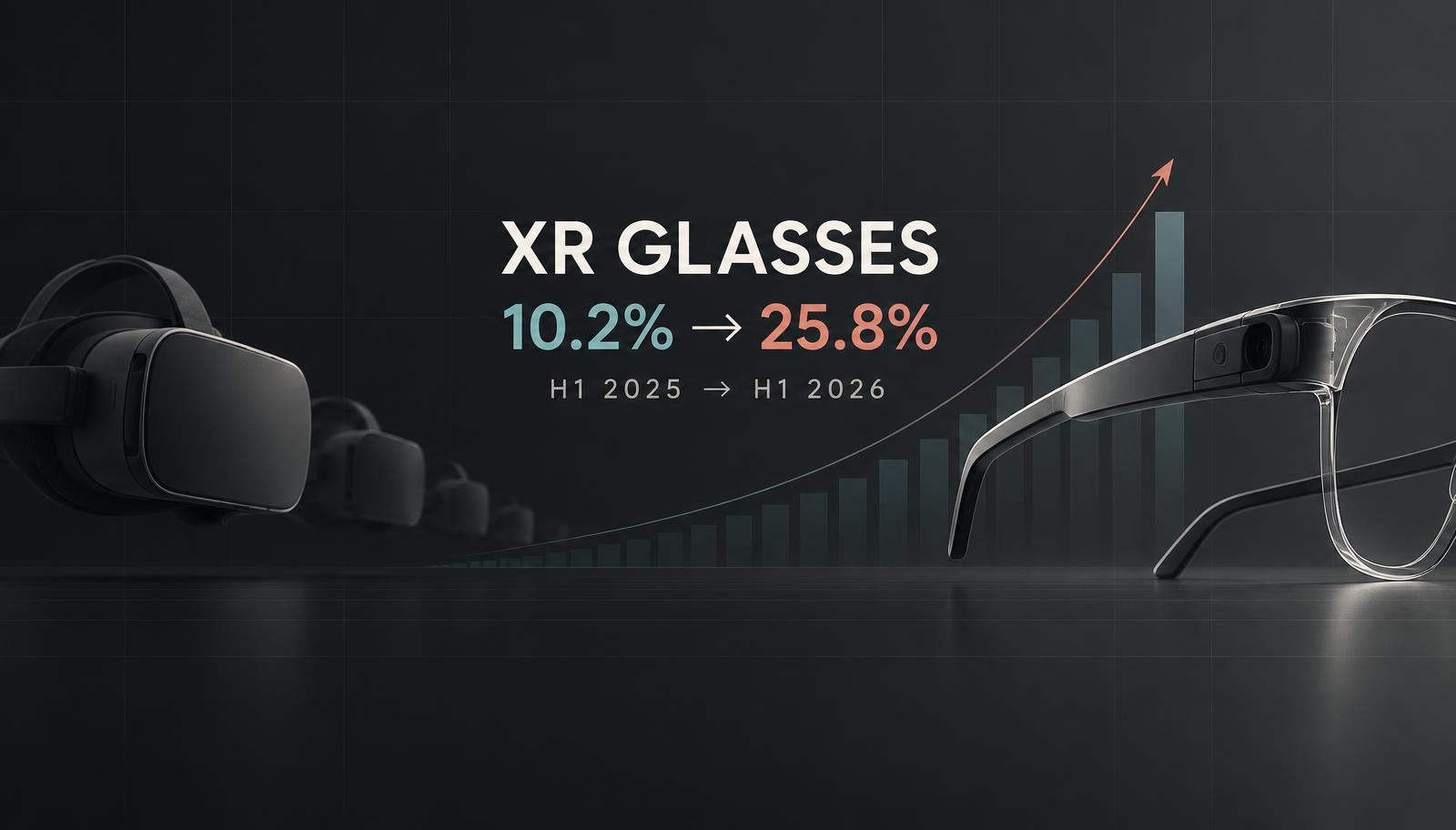
XR glasses gain ground as global headset shipments fall 38.7% in the first half of 2026
New Omdia data shows a major shift inside the XR hardware market. Global XR headwear shipments fell 38.7% year over year in the first half of 2026, but XR glasses more than doubled their share of the category as consumers increasingly favor lighter, lower-friction devices.
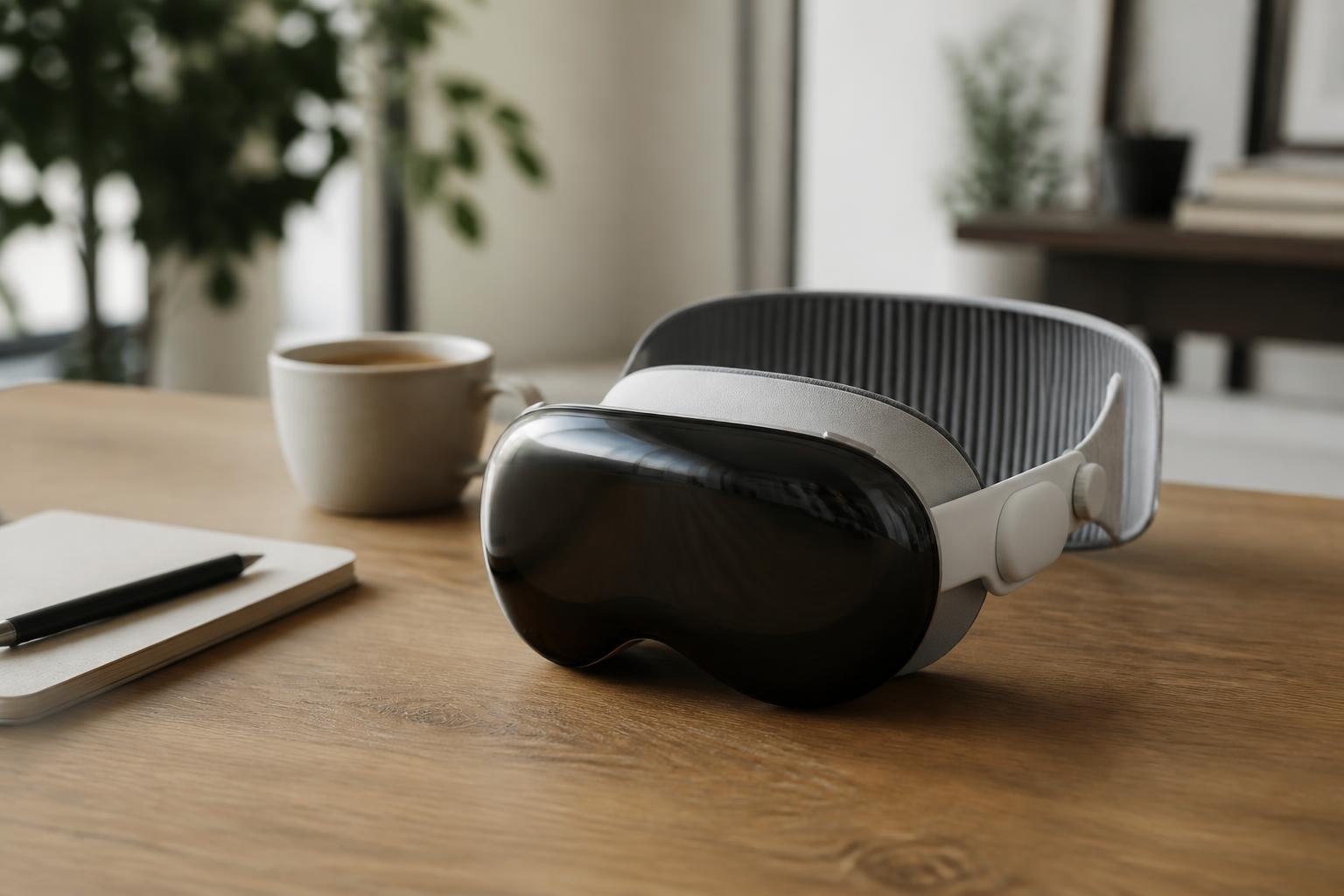
Apple Vision Pro enterprise rollouts accelerate in Q1
Field service, logistics and design teams report measurable productivity gains as Vision Pro spatial computing deployments scale past pilot programs.
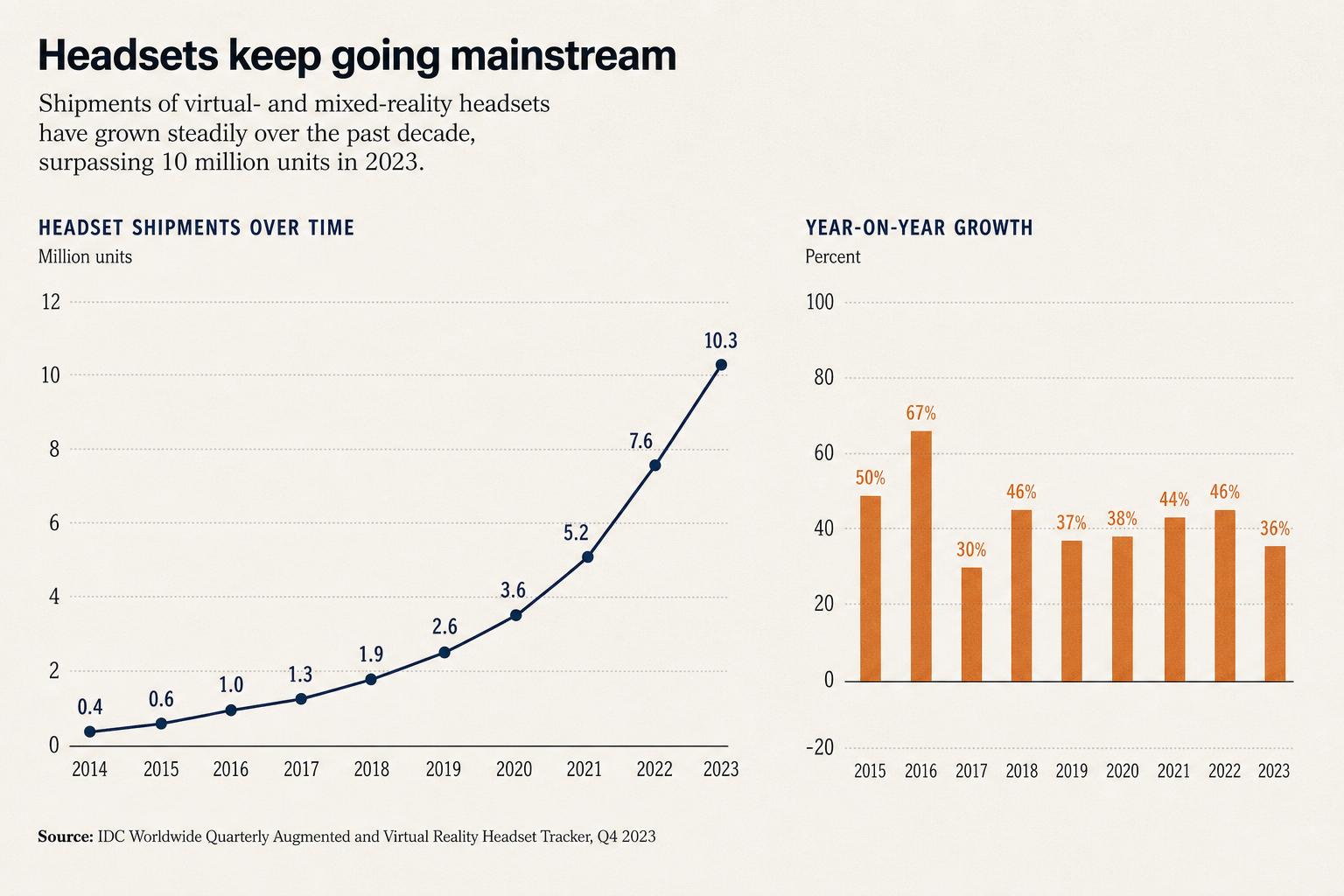
Spatial computing market 2025: who's actually buying
A snapshot of the spatial computing market: which industries are buying headsets, what they're spending and where adoption is real versus aspirational.