State of XR Analytics 2025
120-program benchmark of analytics maturity in spatial computing.
Mar 2025Read →
News, analysis and research on spatial computing, immersive UX, accessibility and enterprise XR — from Vision Pro to Android XR.


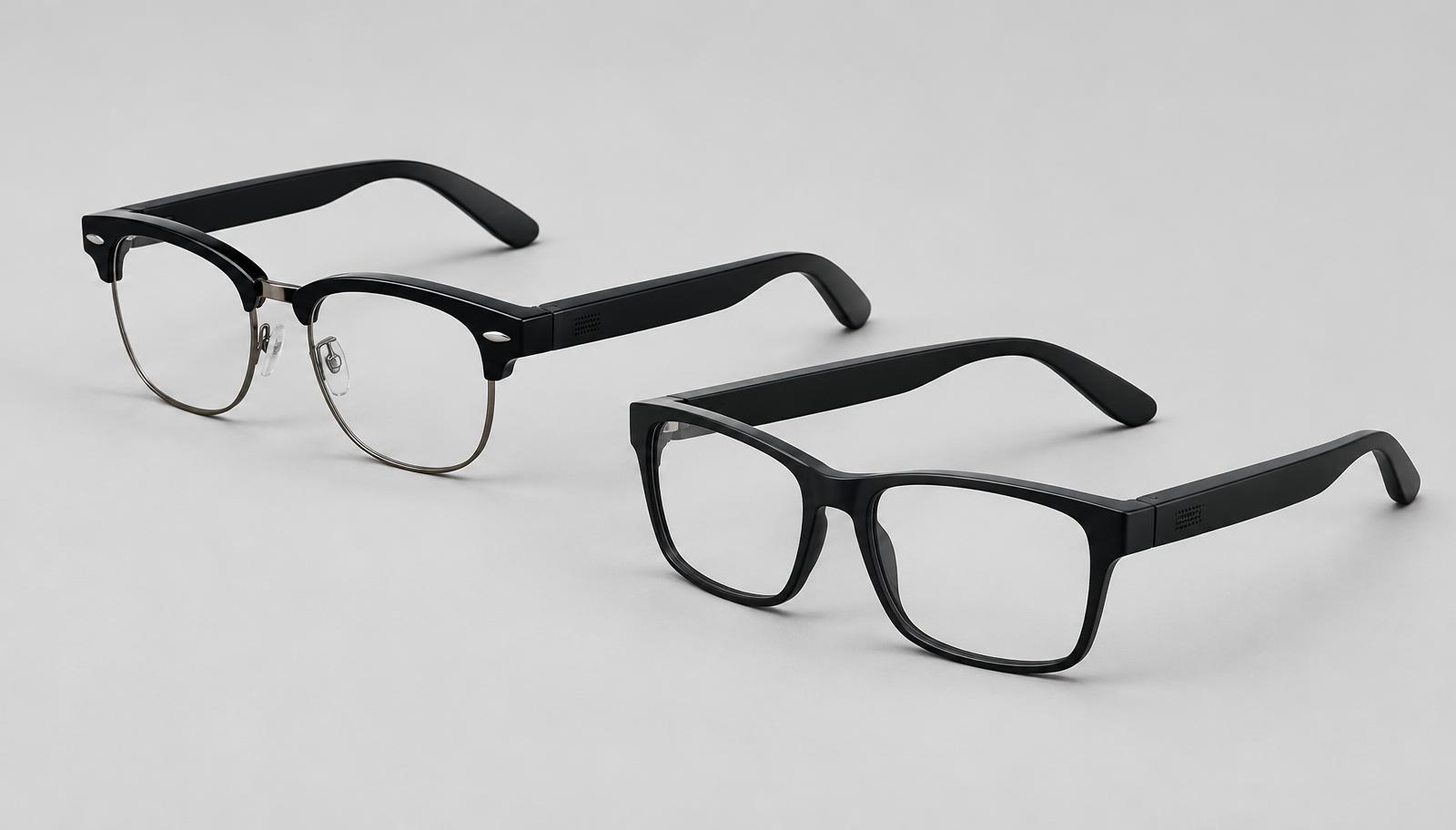
Ray-Ban Meta Audio begins shipping at $349: camera-free, display-free smart glasses built around open-ear audio, voice interaction and Meta's AI assistant.
Three short reads that explain what spatial computing is, the companies shaping it and the vocabulary you'll see everywhere.
A plain-English explainer — devices, use cases and why it matters.
Read storyThe platforms, headset makers and studios defining the market.
Read storyPresence, passthrough, OpenXR, anchors — the terms, explained.
Read storyRay-Ban Meta Audio begins shipping at $349: camera-free, display-free smart glasses built around open-ear audio, voice interaction and Meta's AI assistant.

CalTa announces new spatial analytics capabilities for TRANCITY Nebula, including voxel-based change detection, 3D visualization, digital twins and environmental data overlays.

Google and Unity announce Playground and Unity Spark, combining generative AI, natural language creation and Unity's real-time 3D engine to simplify interactive development.
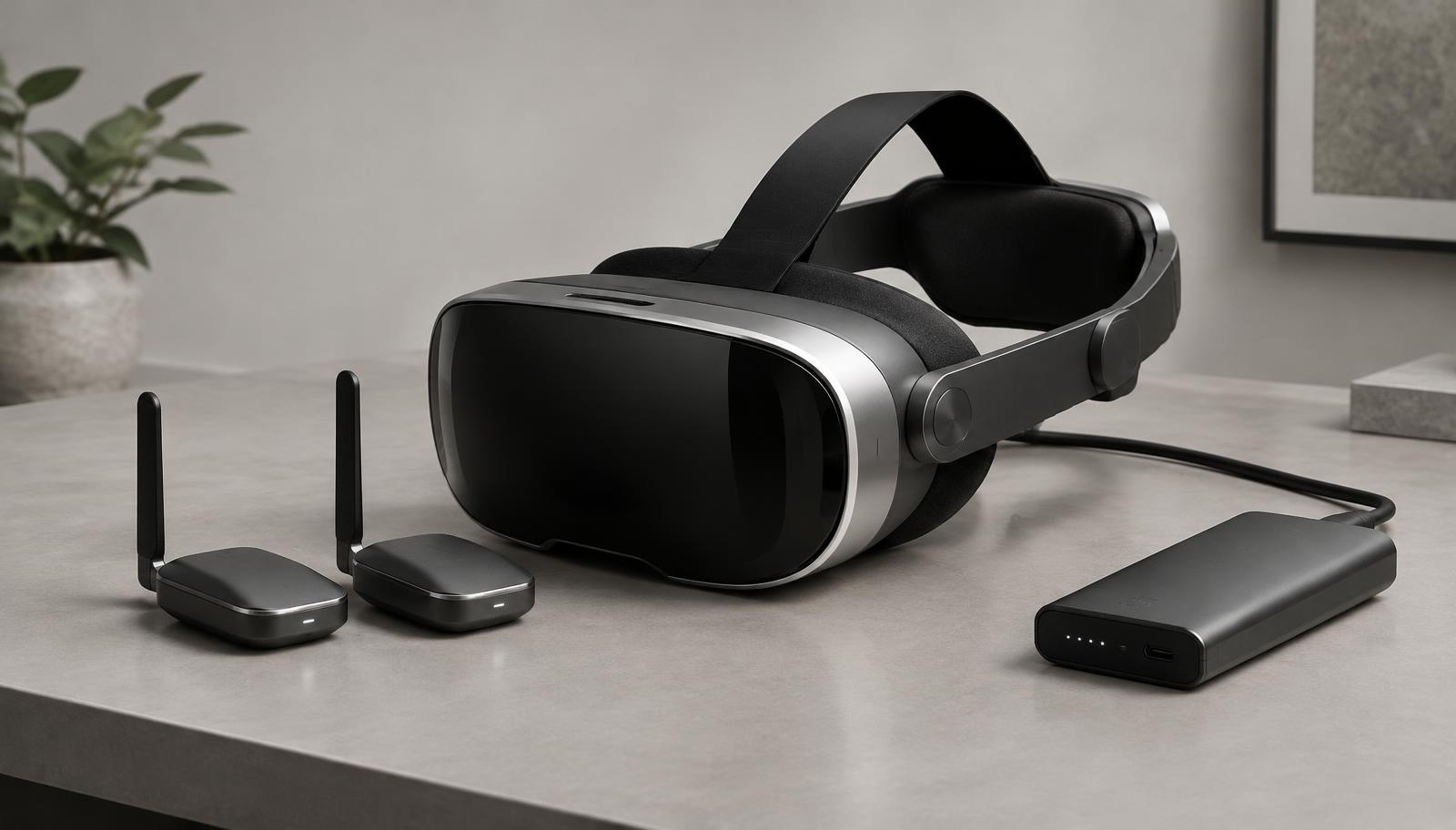
Pimax unveils Crystal Pro, a wireless VR headset featuring eye-tracked 60GHz streaming, 2880 × 2880 displays per eye and an optional 6Gbps AirLink system.

Schneider Electric announces a $22.6 billion acquisition of PTC, bringing Vuforia's augmented reality software into a broader industrial AI and digital twin ecosystem.
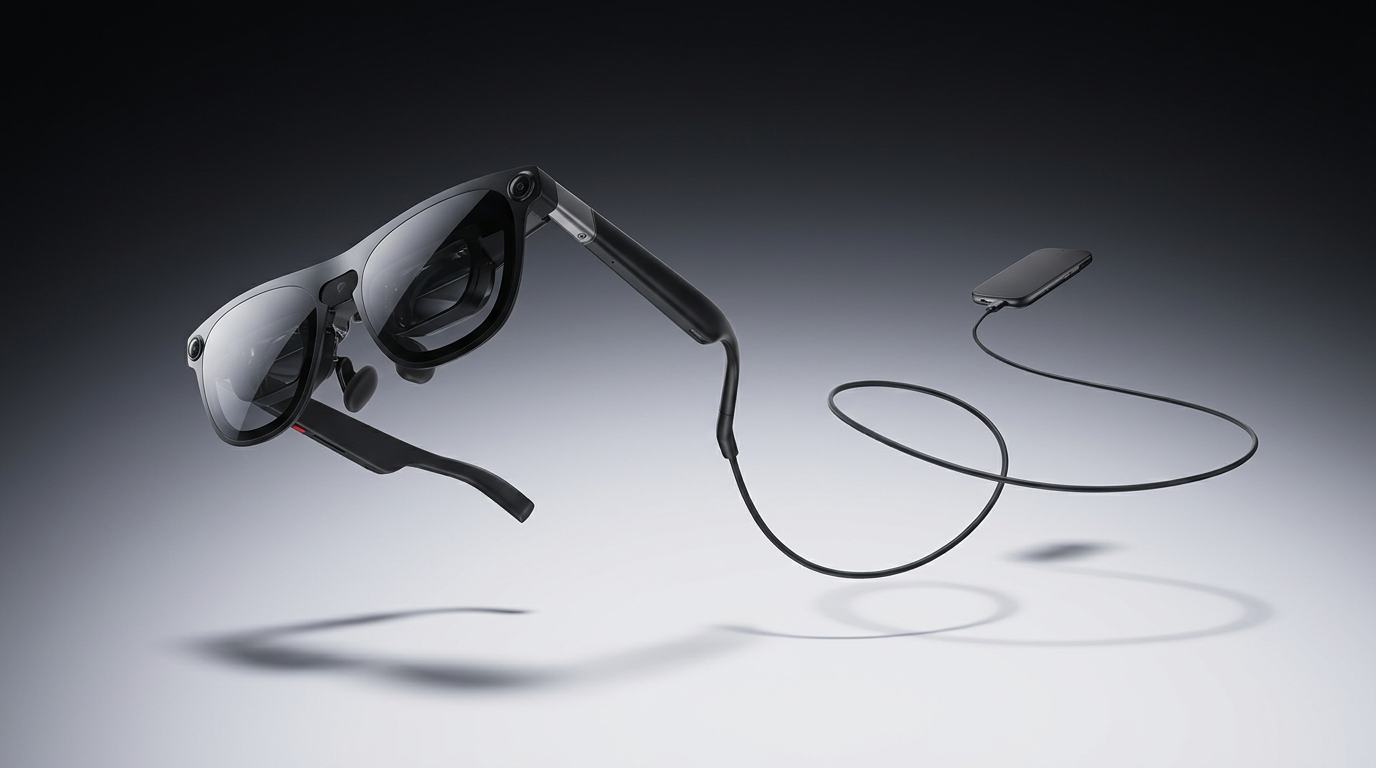
XREAL confirms pricing and initial preorders for AURA, its Android XR glasses developed with Google and Qualcomm. Discover its features, software ecosystem and availability.
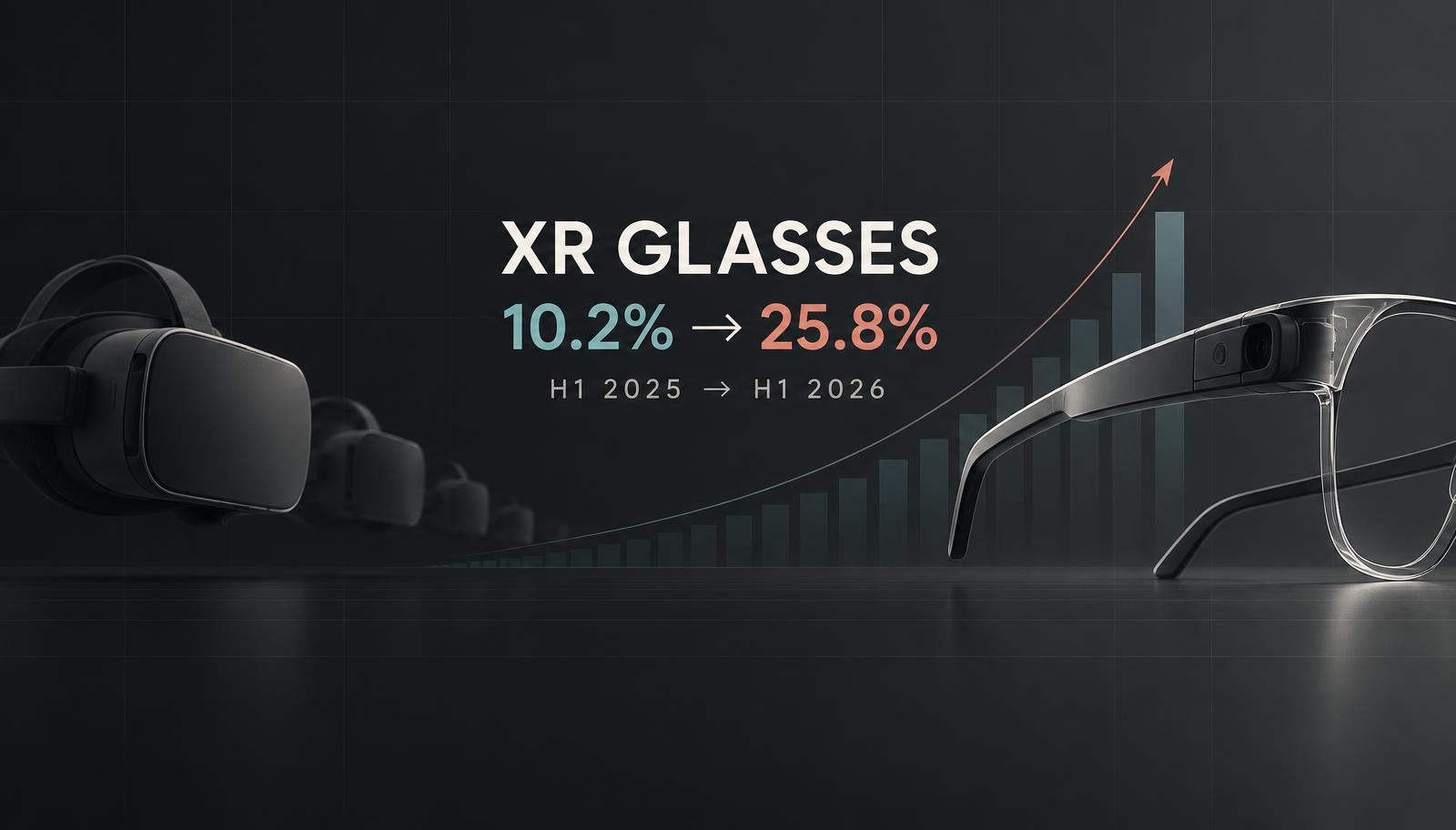
New Omdia data shows a major shift inside the XR hardware market. Global XR headwear shipments fell 38.7% year over year in the first half of 2026, but XR glasses more than doubled their share of the category as consumers increasingly favor lighter, lower-friction devices.

Early in-field data suggests spatial computing sessions cluster into three distinct attention patterns — with concrete implications for immersive UX design.
Why most enterprise XR pilots stall at procurement — and what mature spatial computing programs do differently when they scale.
120-program benchmark of analytics maturity in spatial computing.
A 32-point rubric applied to leading immersive products.
Field study across manufacturing, healthcare and retail deployments.
Multi-site research on attention patterns in spatial computing.
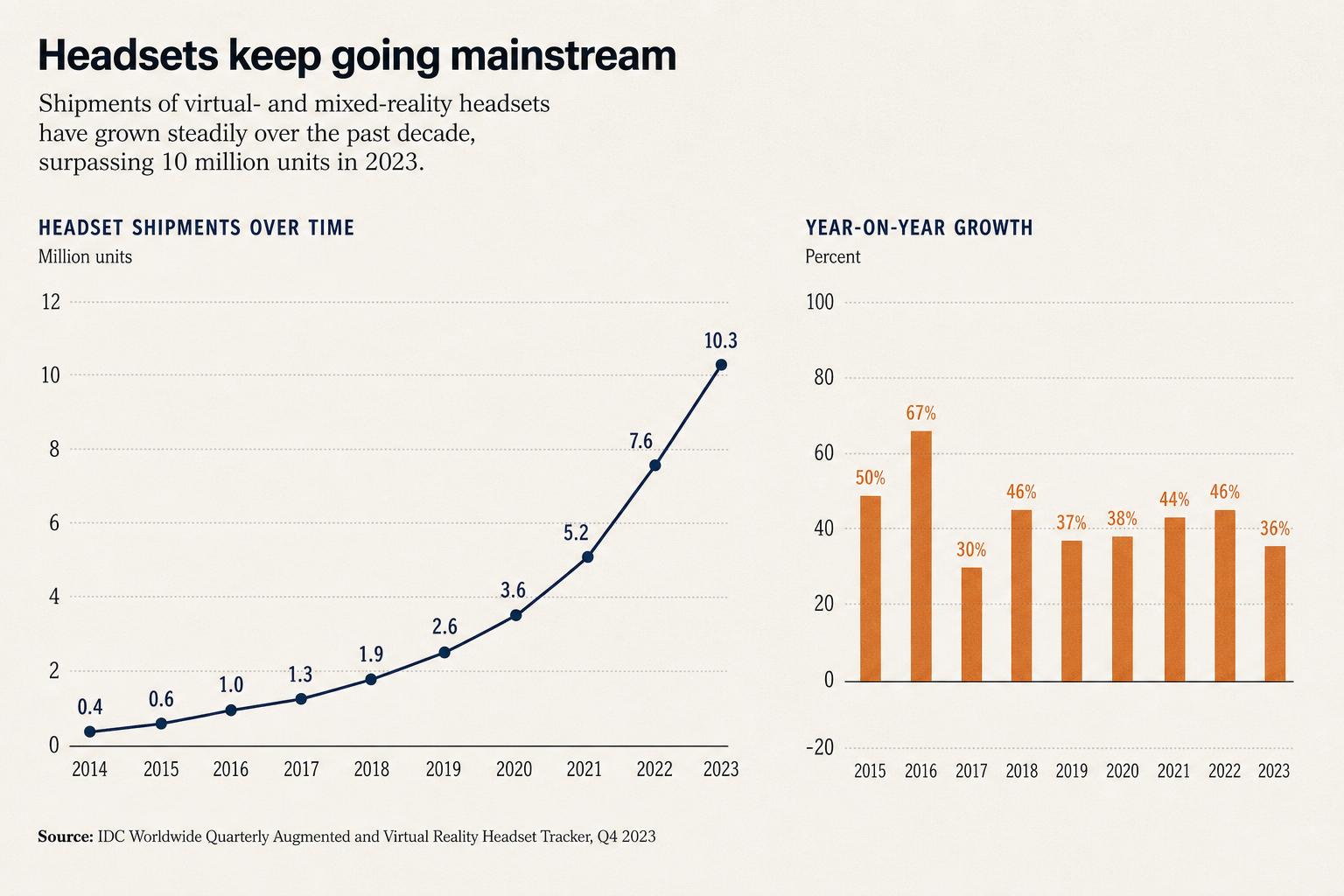
A foundational primer on the events, metrics and frameworks behind measuring spatial computing experiences — from sessions to gaze and presence.
Presence is the most cited — and least defined — metric in spatial computing. Here's how product teams operationalize it across Vision Pro and Quest.
Spatial heatmaps require a different mental model than web heatmaps. We break down gaze, dwell and locomotion overlays for spatial computing.
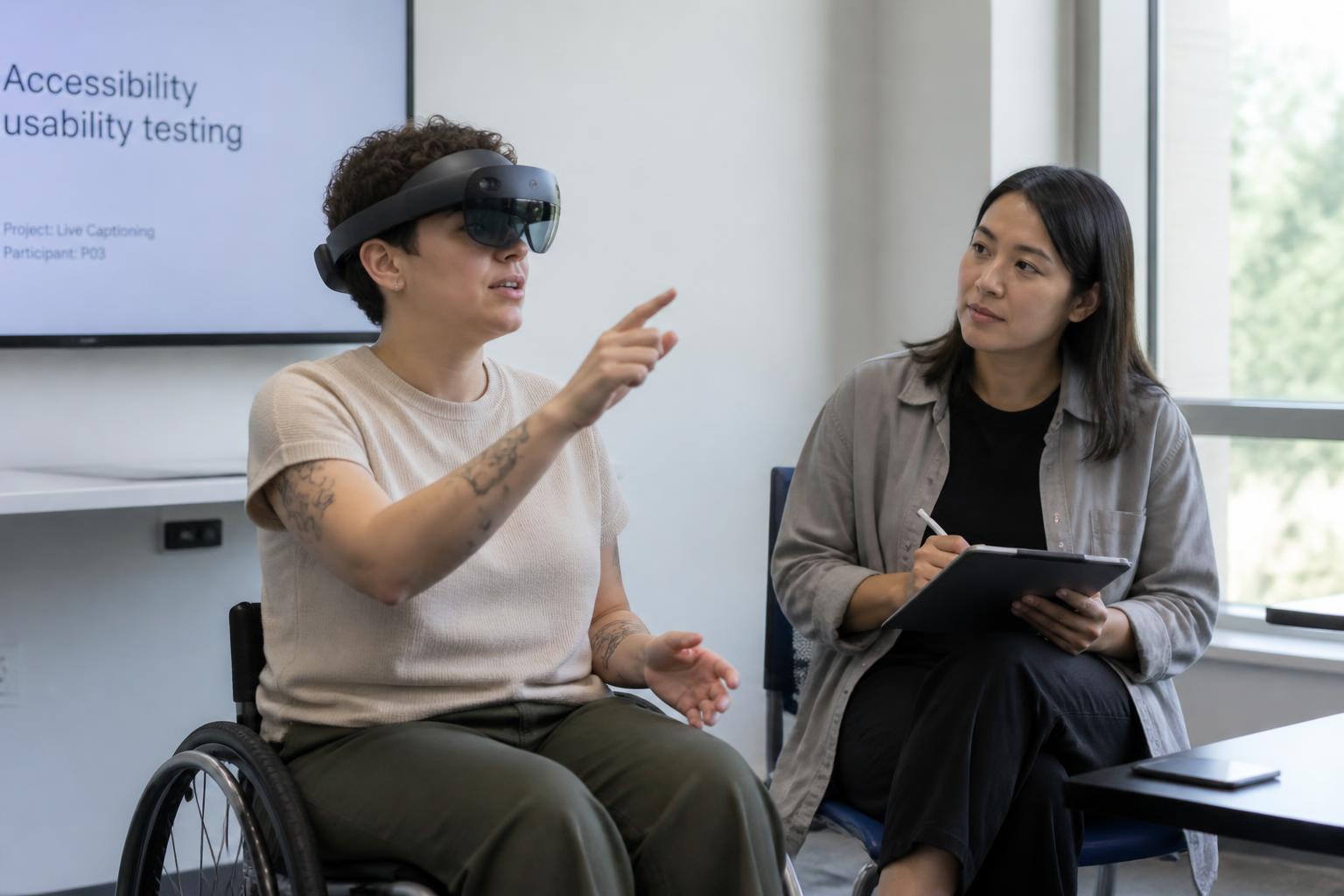
Captioning, input remapping, motion comfort and cognitive load — a working accessibility checklist for spatial computing product teams.