News
Daily reporting on the companies, platforms and people shaping spatial computing.
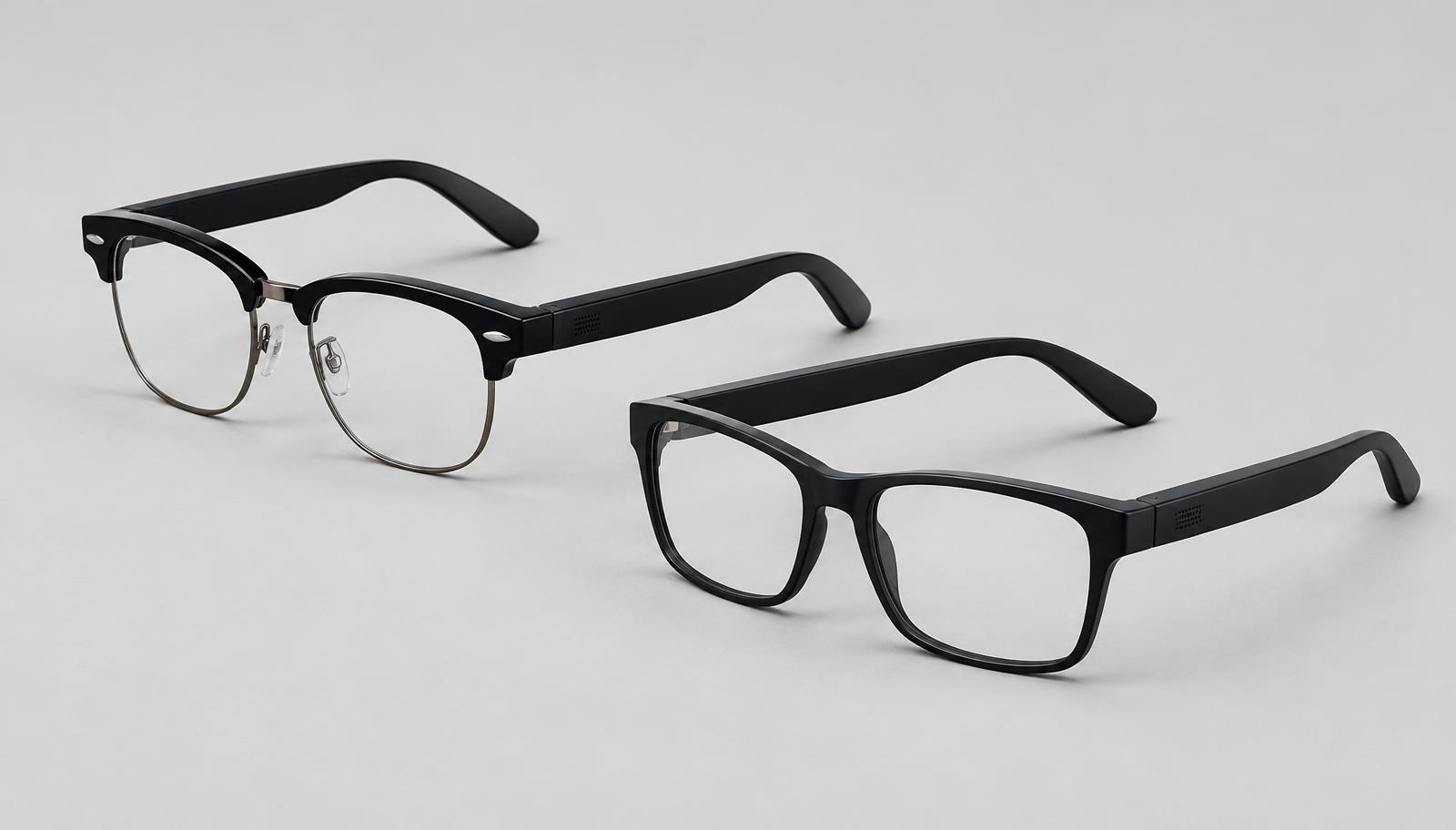
Meta is introducing a different kind of smart glasses
Ray-Ban Meta Audio begins shipping at $349: camera-free, display-free smart glasses built around open-ear audio, voice interaction and Meta's AI assistant.

TRANCITY Nebula introduces 3D spatial change detection and new digital twin analytics tools
CalTa announces new spatial analytics capabilities for TRANCITY Nebula, including voxel-based change detection, 3D visualization, digital twins and environmental data overlays.

Google and Unity introduce Unity Spark, bringing AI-powered creation closer to interactive 3D development
Google and Unity announce Playground and Unity Spark, combining generative AI, natural language creation and Unity's real-time 3D engine to simplify interactive development.
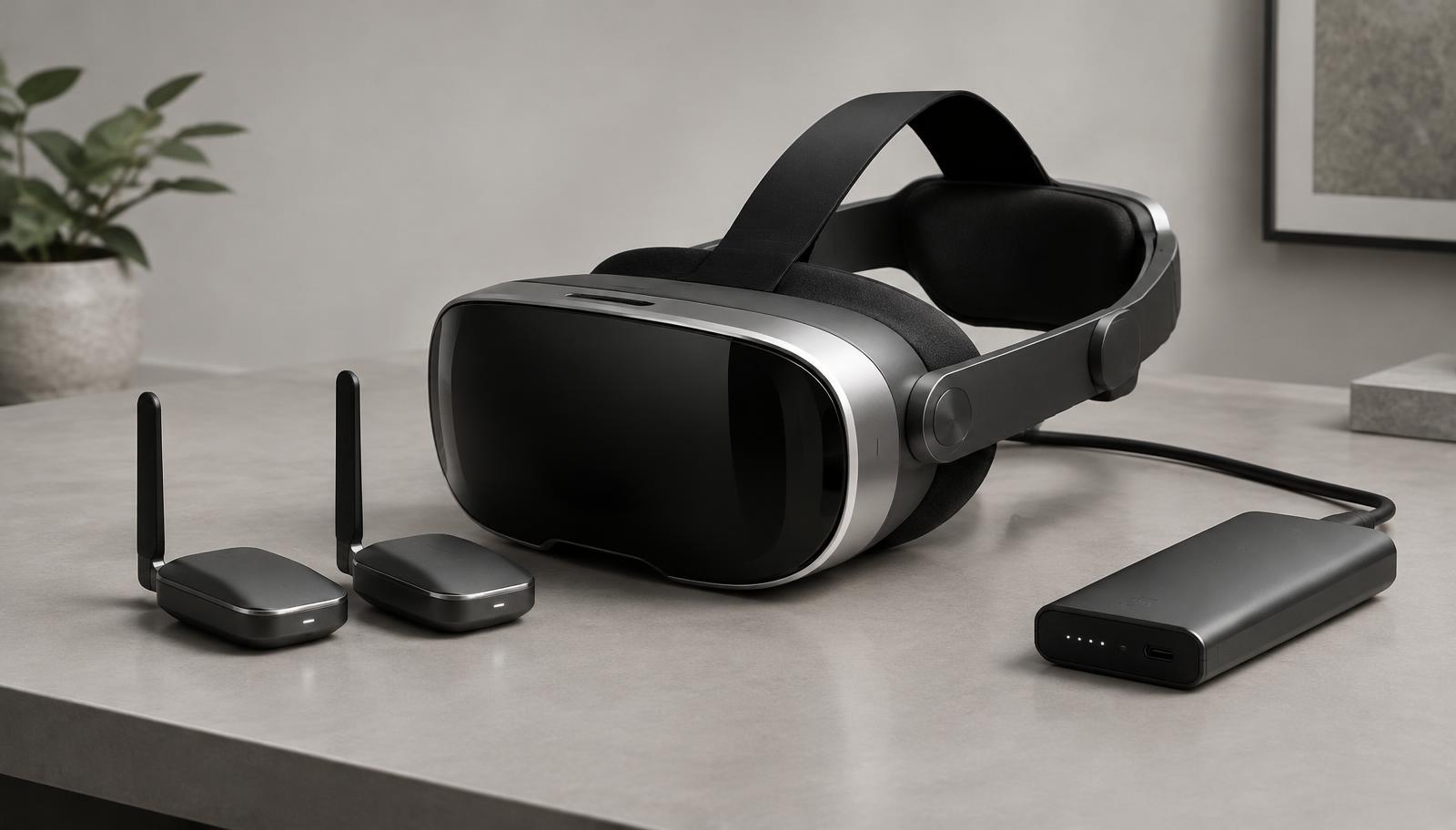
Pimax Crystal Pro introduces eye-tracked wireless streaming without video compression in the focus area
Pimax unveils Crystal Pro, a wireless VR headset featuring eye-tracked 60GHz streaming, 2880 × 2880 displays per eye and an optional 6Gbps AirLink system.

Schneider Electric's $22.6 billion PTC acquisition brings enterprise AR into a larger industrial software ecosystem
Schneider Electric announces a $22.6 billion acquisition of PTC, bringing Vuforia's augmented reality software into a broader industrial AI and digital twin ecosystem.
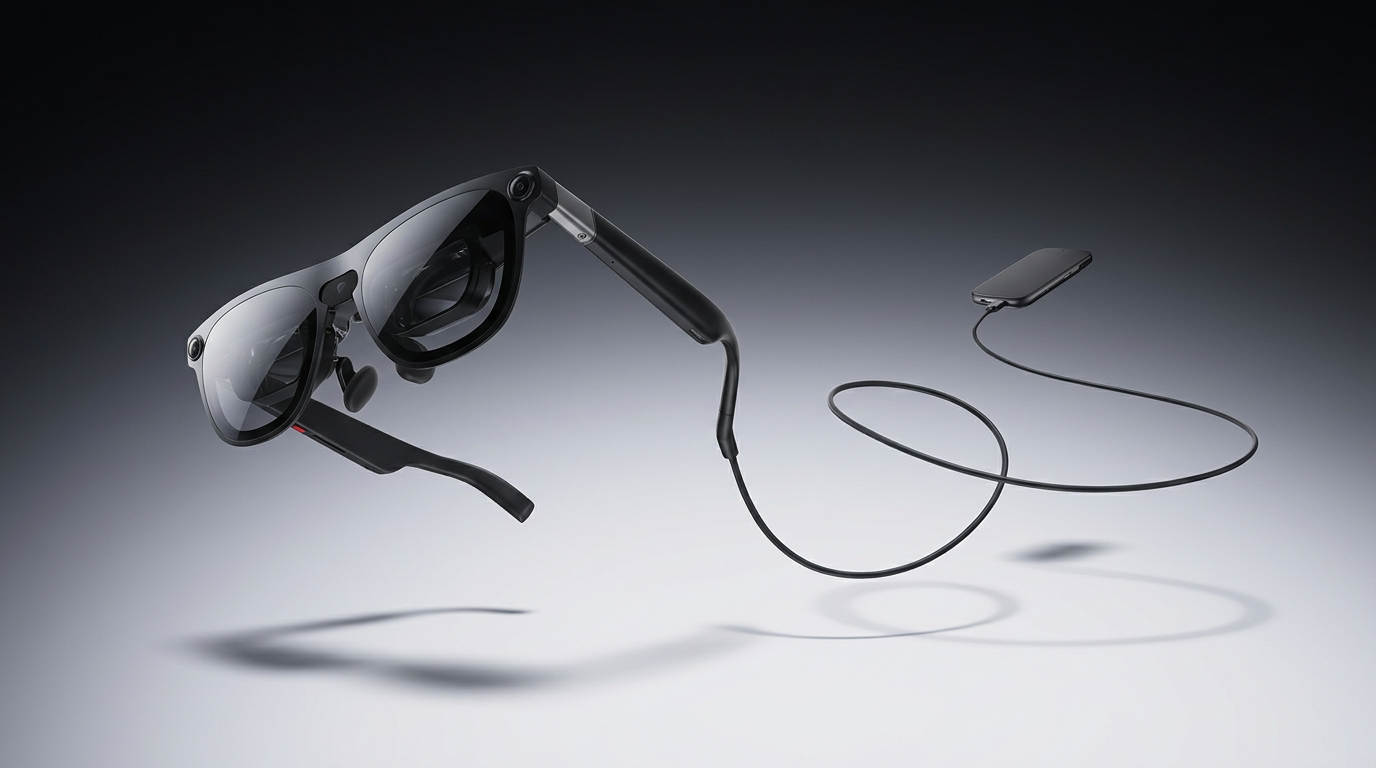
XREAL AURA starts at $1,279 as Android XR glasses move closer to market
XREAL confirms pricing and initial preorders for AURA, its Android XR glasses developed with Google and Qualcomm. Discover its features, software ecosystem and availability.
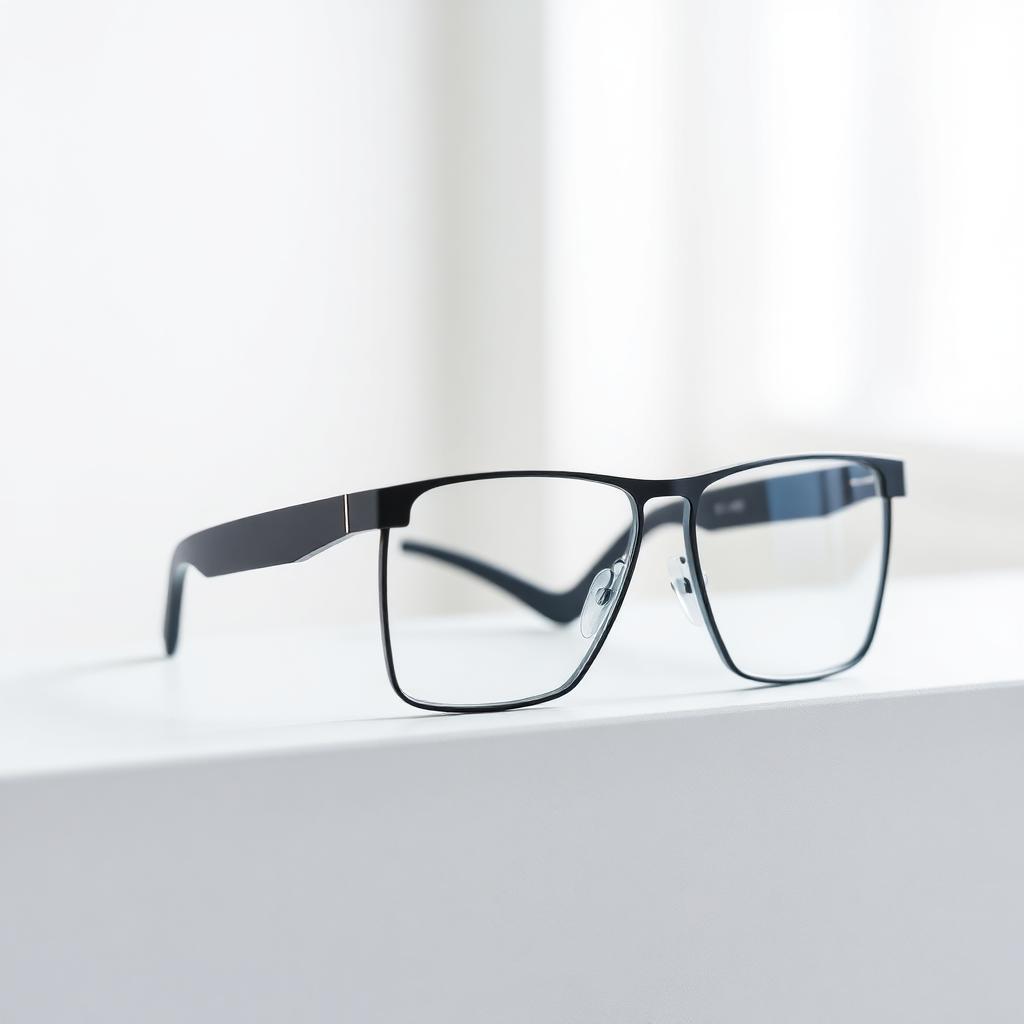
Samsung’s Android XR glasses move closer to launch as the smart-glasses market gets another major platform
Samsung's first Android XR AI glasses have cleared FCC certification in the US, while new reporting points to a November launch. Built with Google, Gentle Monster and Warby Parker, the displayless glasses use Gemini and a connected smartphone to keep the eyewear lighter while moving heavier computing away from the face.
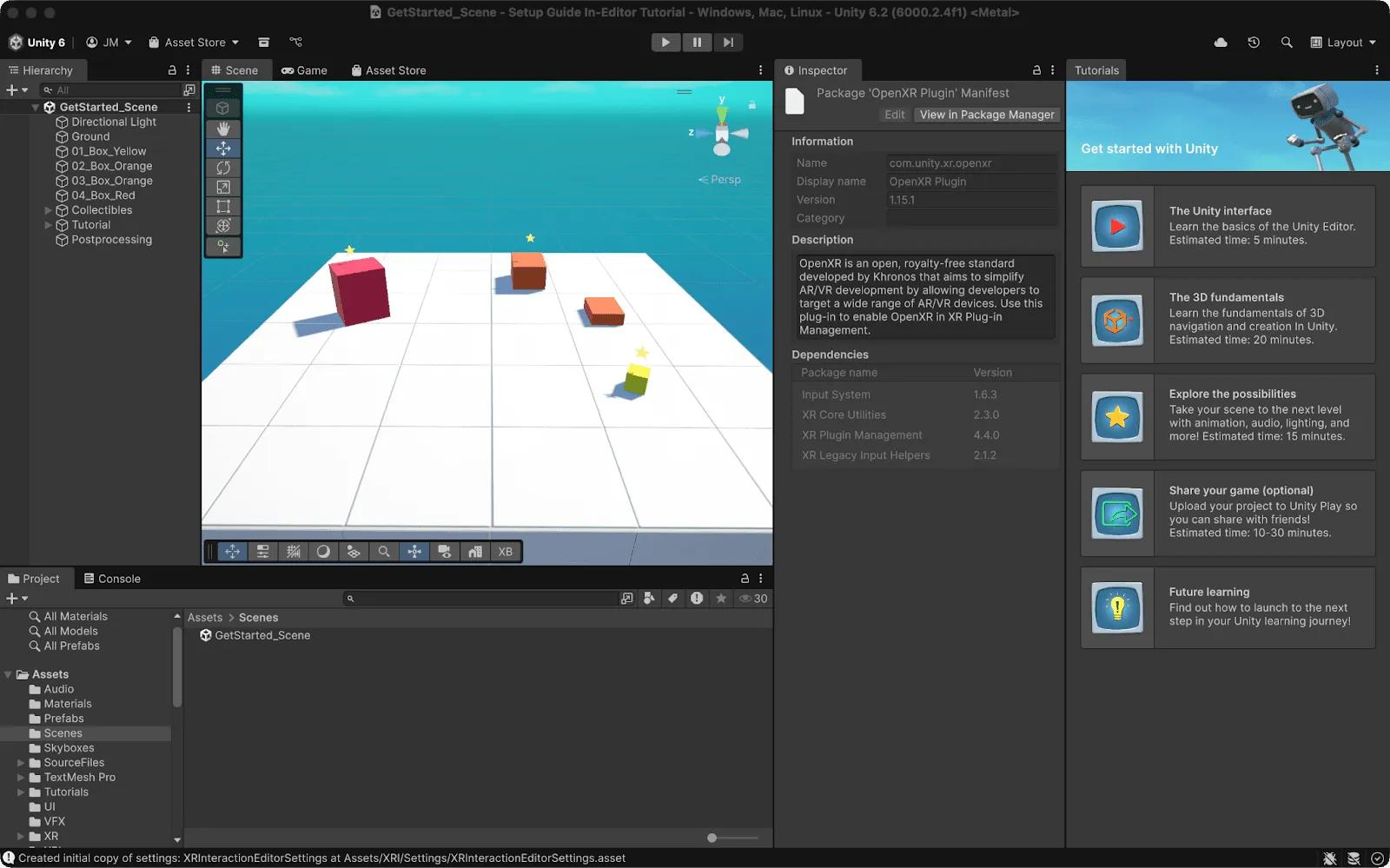
Unity 6.6 brings hand and eye tracking workflows to the next generation of VR
Unity has introduced day-one development support for Meta VR Glasses through Unity 6.6 and OpenXR. Beyond another device target, the update brings new workflows for hand and eye interaction, XR simulation, dynamic foveation and testing apps before the hardware is available.
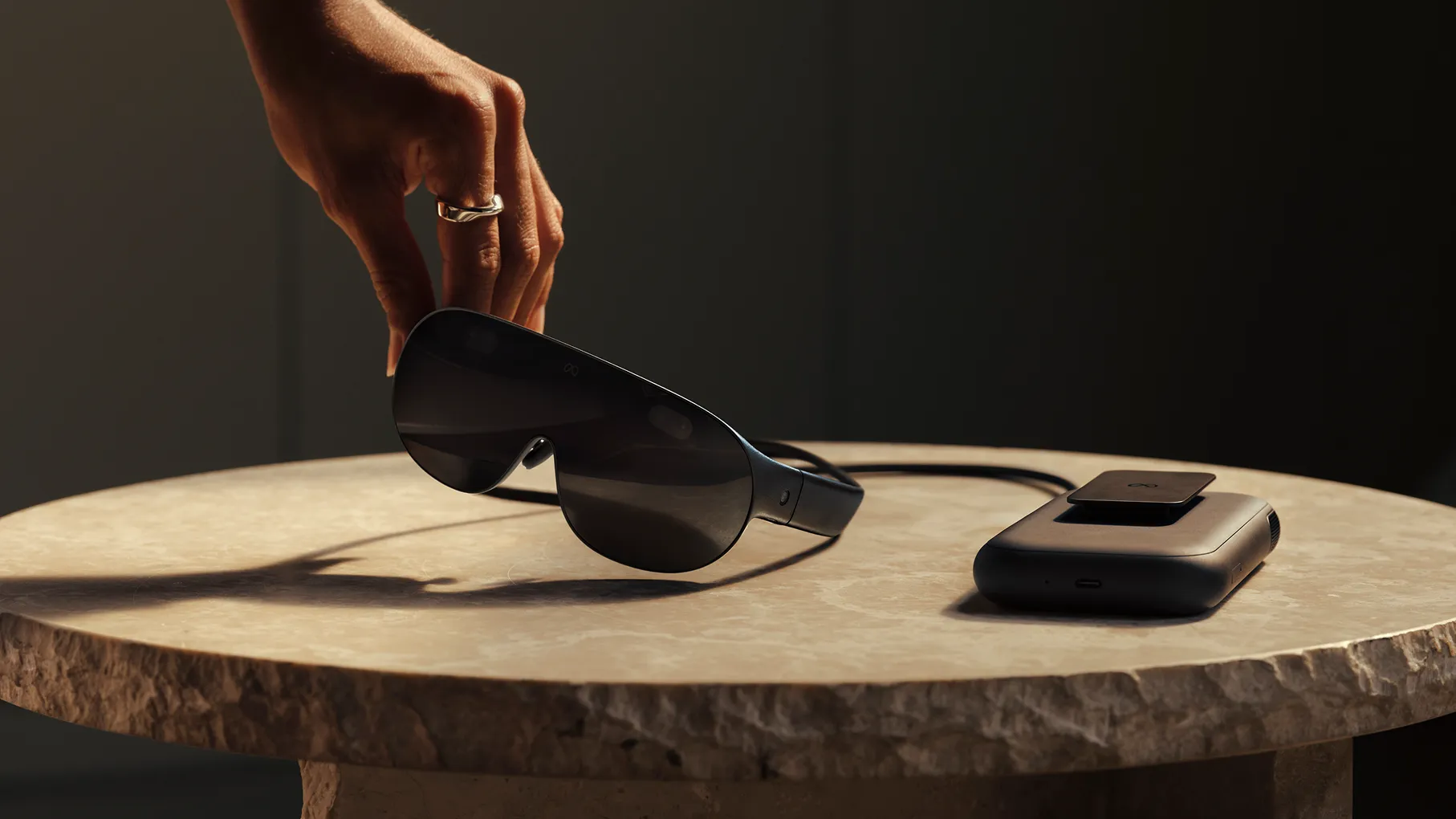
Meta VR Glasses: Meta shrinks VR to 100 grams and changes the form factor for 2027
Meta has officially unveiled Meta VR Glasses, a 100-gram VR device that moves processing and battery into an external puck. Launching in spring 2027 for $1,299.99, it combines eye and hand tracking, micro-OLED displays and the Meta Quest ecosystem in a radically lighter form factor.