SpatialXR Research Desk
Research-focused coverage of analytics, accessibility, immersive UX and enterprise XR trends. Reports state their methodology, sample size and limitations, and underlying data is shared with peer reviewers before publication.
Research-focused coverage of analytics, accessibility, immersive UX and enterprise XR trends. Reports state their methodology, sample size and limitations, and underlying data is shared with peer reviewers before publication.
Published stories
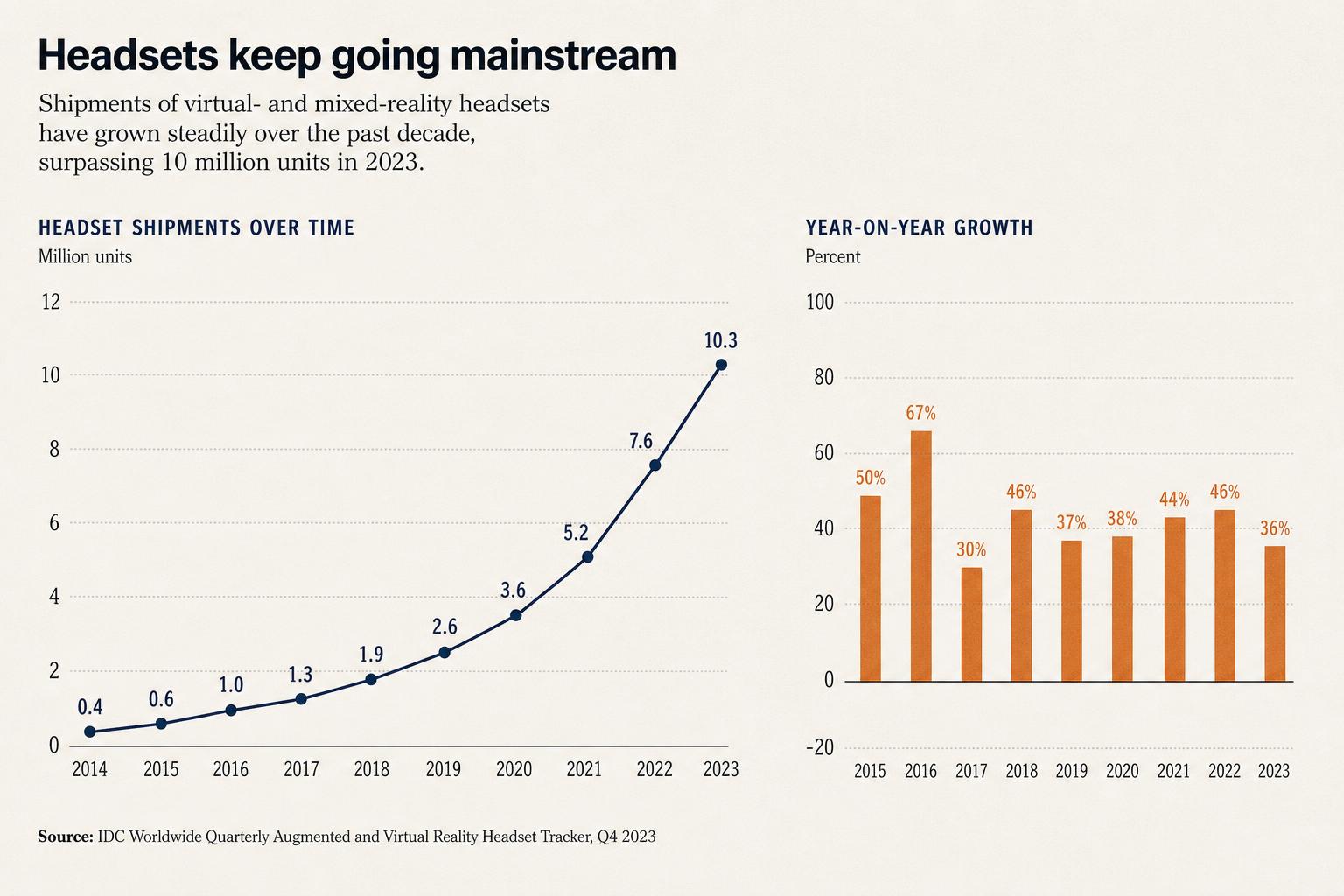
Spatial computing market 2025: who's actually buying
A snapshot of the spatial computing market: which industries are buying headsets, what they're spending and where adoption is real versus aspirational.

What Vision Pro session data tells us about attention
Early in-field data suggests spatial computing sessions cluster into three distinct attention patterns — with concrete implications for immersive UX design.
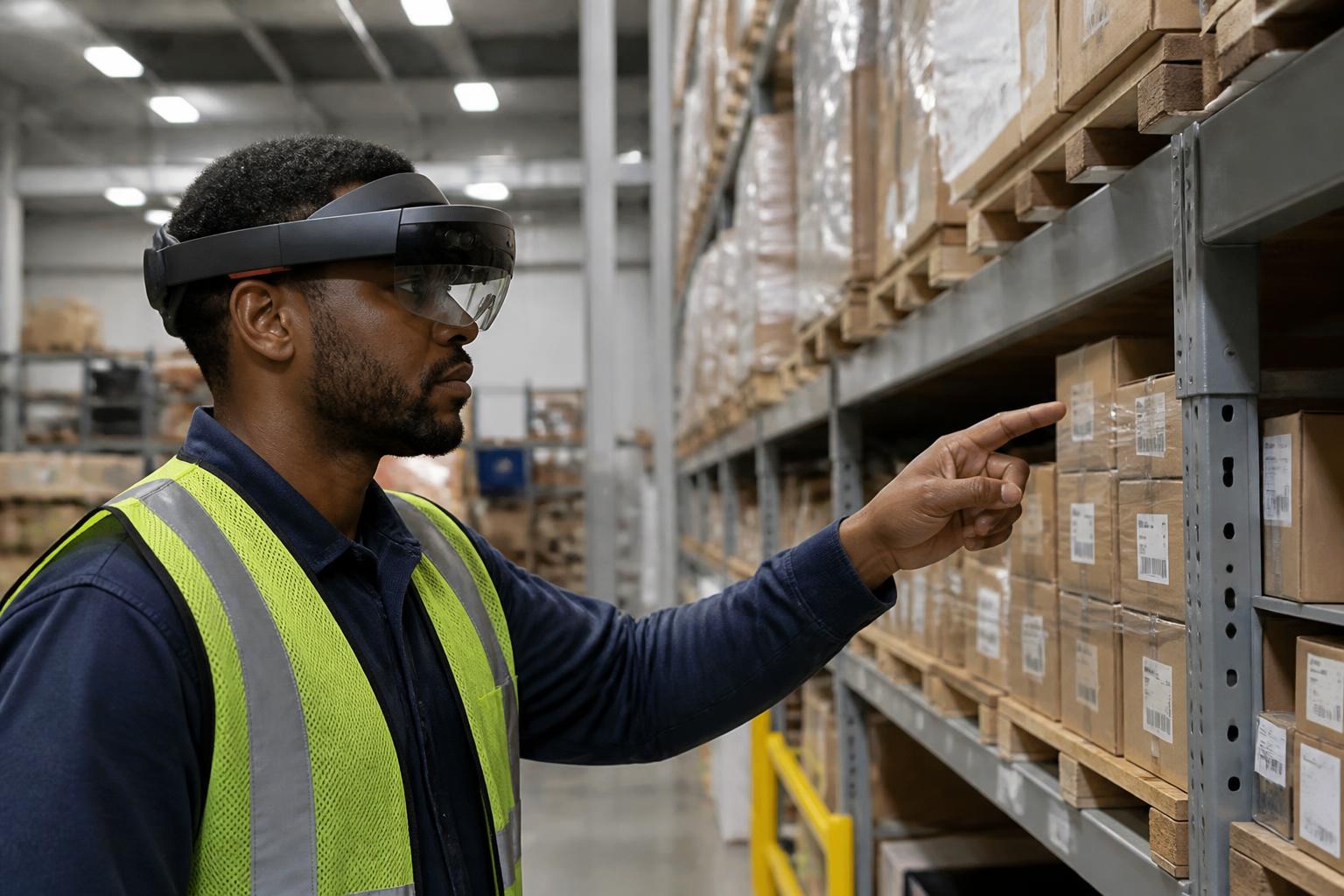
The procurement problem in enterprise XR
Why most enterprise XR pilots stall at procurement — and what mature spatial computing programs do differently when they scale.

State of XR Analytics 2025
Our inaugural benchmark of analytics maturity across 120 spatial computing programs — what's measured, what isn't, and why it matters.
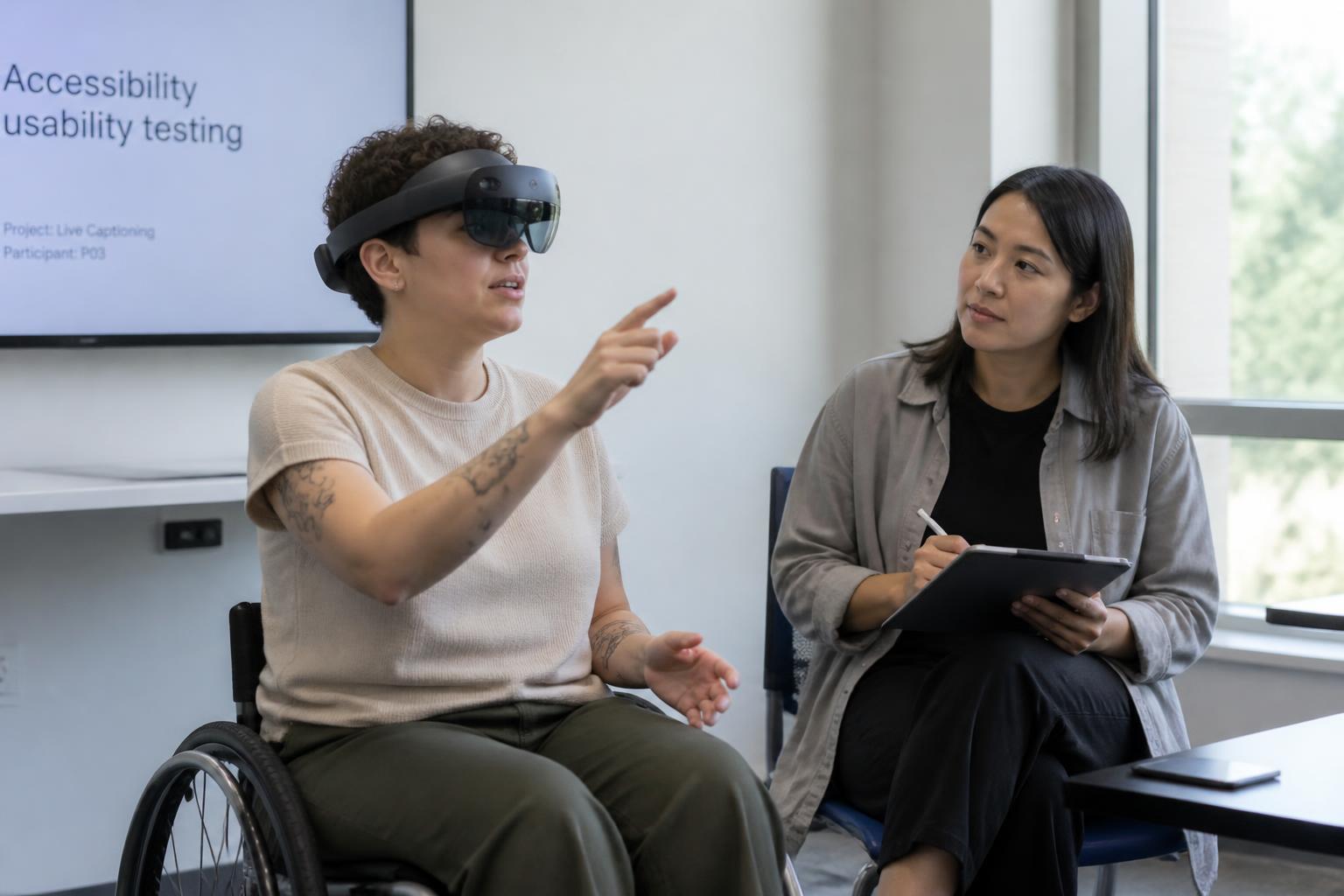
Accessibility benchmarks for immersive UX
How leading immersive products perform against a new 32-point accessibility rubric for spatial computing — and where the field still falls short.
What is XR analytics?
A foundational primer on the events, metrics and frameworks behind measuring spatial computing experiences — from sessions to gaze and presence.
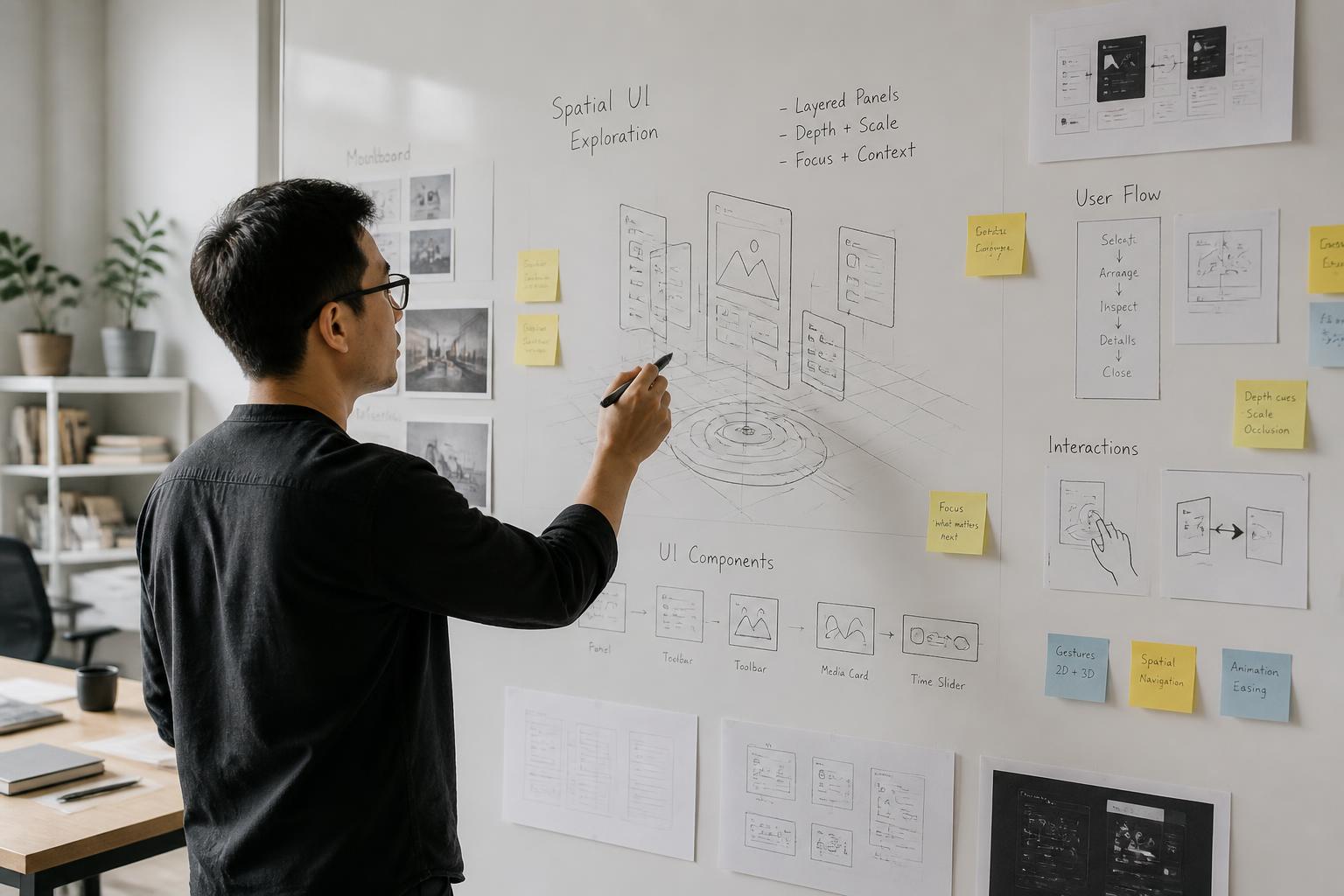
Understanding presence metrics
Presence is the most cited — and least defined — metric in spatial computing. Here's how product teams operationalize it across Vision Pro and Quest.
Heatmaps in immersive environments, explained
Spatial heatmaps require a different mental model than web heatmaps. We break down gaze, dwell and locomotion overlays for spatial computing.
Accessibility in XR: a practical guide
Captioning, input remapping, motion comfort and cognitive load — a working accessibility checklist for spatial computing product teams.