NVIDIA XR AI enters public beta to speed up AI agents on XR devices and smart glasses
NVIDIA has announced the public beta of XR AI, a framework for building AI agents that understand the physical environment in real time through video, audio and spatial data — aimed at smart glasses and XR devices in industry, healthcare and logistics.
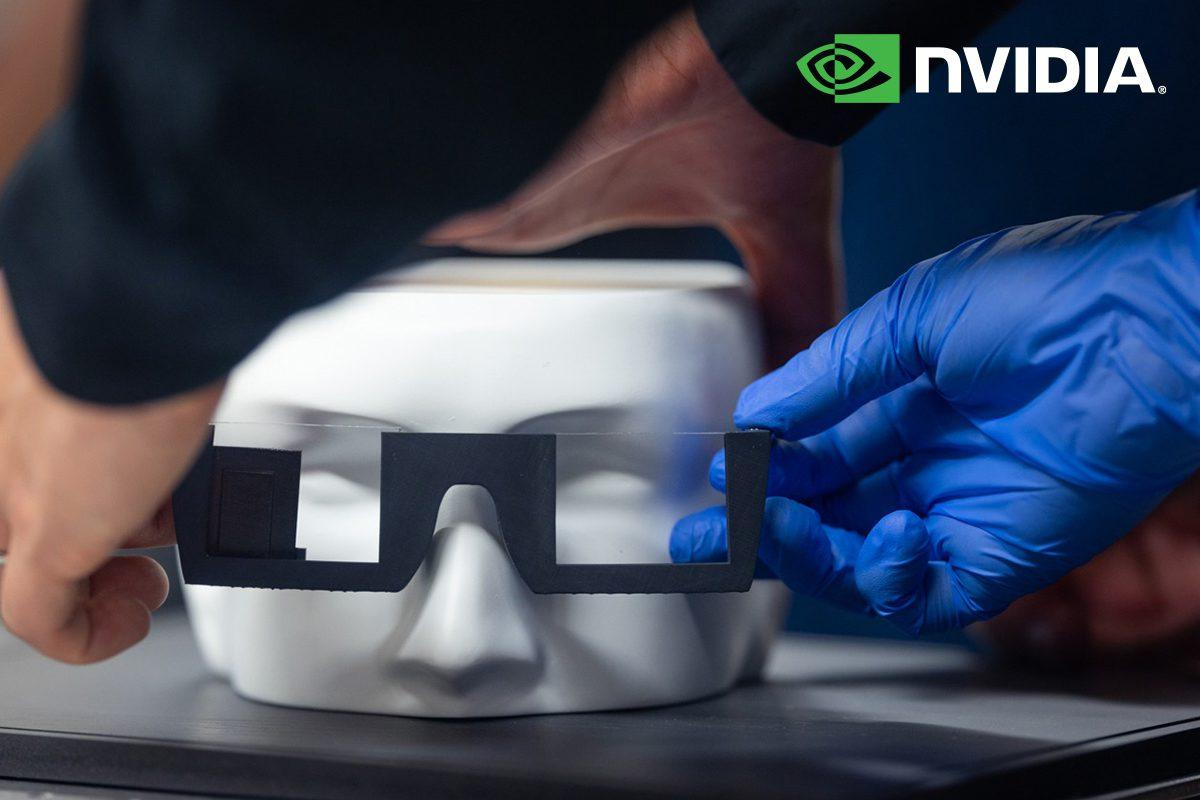
NVIDIA brings AI agents into the physical world
At AWE USA 2026, NVIDIA introduced the public beta of XR AI, a platform for developing multimodal agents that run directly on XR devices and smart glasses. Unlike a traditional conversational assistant, these agents interpret information from cameras, microphones and spatial sensors to understand the environment and assist the user in real time.
The goal is to shorten the distance between artificial intelligence and physical tasks, letting AI observe, reason and act on the context where a person is actually working.
More than computer vision
NVIDIA's proposal combines several technology components:
- Environment understanding through computer vision
- Voice and audio processing
- Integration with spatial data
- Access to enterprise tools and systems
- Contextual reasoning to recommend or execute actions
That makes it possible to build specialized assistants able to guide an operator through an industrial inspection, help a maintenance technician, or deliver step-by-step instructions in a healthcare setting.
A market pivoting toward smart glasses
The launch coincides with a clear trend in the 2026 XR market. Recent months brought new devices such as Snap Specs, XREAL AURA and several Android XR-based proposals, reinforcing the transition from bulky headsets toward lighter smart glasses.
According to a VR.org analysis, 42% of XR sector coverage during 2026 is already related to AR or smart glasses, reflecting a shift in focus toward everyday devices.
What it means for developers
Public availability of NVIDIA XR AI makes it easier to create applications where AI does not just answer questions, but interprets spatial context and helps the user while a task is underway. Standout use cases include:
- Industrial maintenance
- Infrastructure inspection
- Medical assistance
- Immersive training
- Logistics and warehousing
- Remote support
The approach aligns with the evolution of spatial computing toward more contextual experiences that depend less on traditional interfaces.
Market outlook
The combination of platforms like Android XR, lighter hardware and specialized frameworks such as NVIDIA XR AI suggests the next phase of the market will not hinge on graphics performance alone, but on a device's ability to understand its environment and collaborate with the user through artificial intelligence.
"Spatial agents are emerging as one of the main differentiators for the next generation of XR applications."
Sources: NVIDIA Blog — “Hands Free, AIs Forward: NVIDIA XR AI Brings Agents to AR Glasses”; Tom's Guide — Best of AWE 2026; VR.org — This Week in VR: AWE Took Over; VR.org — The State of VR, AR & XR 2026.
Editorial coverage of industry news and developments across spatial computing and immersive technologies.
Related reading
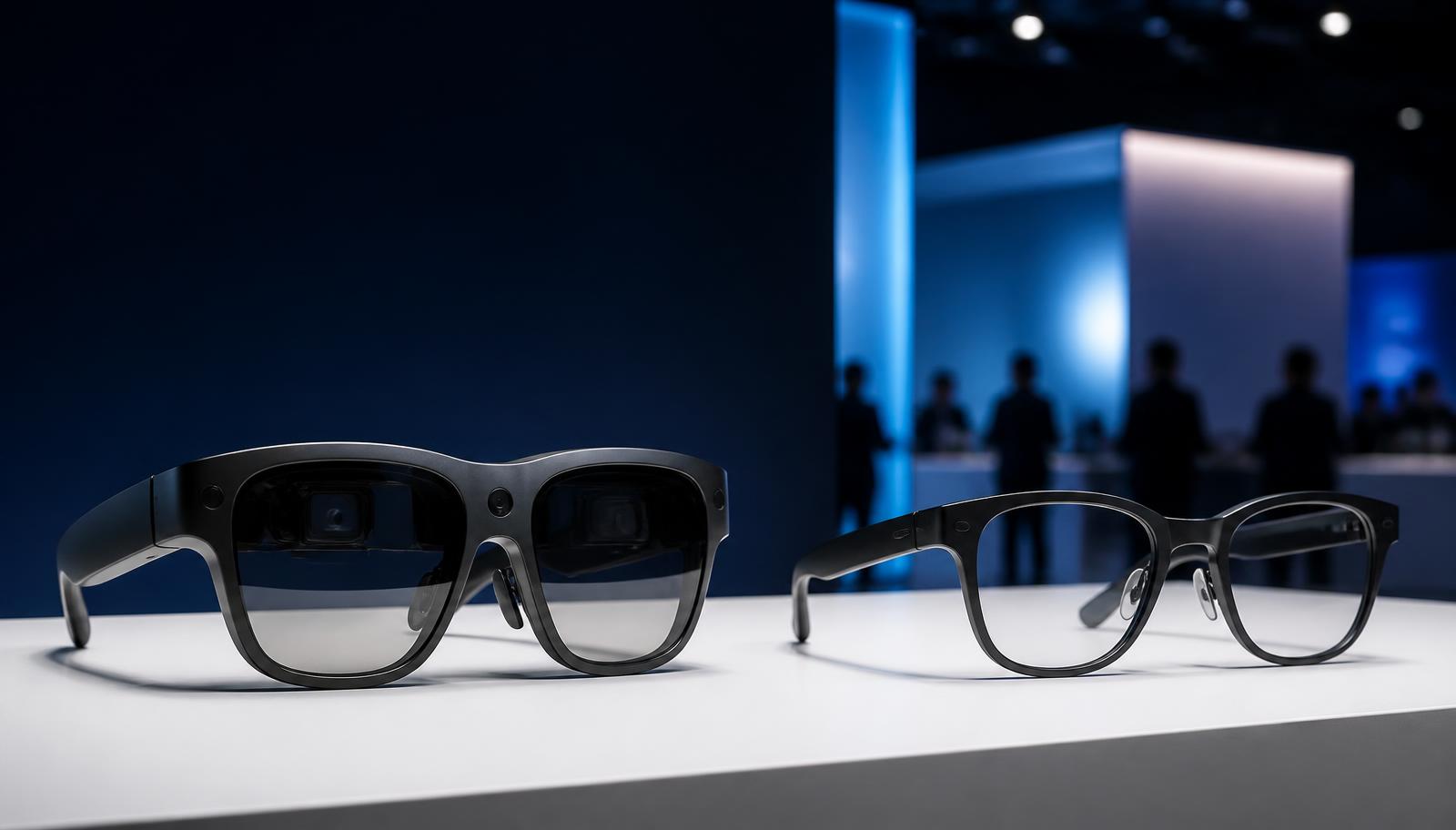
RayNeo GT Max and iO debut at IFA 2026: two different paths for the future of AR glasses
RayNeo has brought two very different approaches to wearable spatial computing to IFA 2026. The GT Max focuses on cinematic AR with a 59° field of view and Dolby Vision, while the 33-gram iO explores lightweight, camera-free AI assistance for everyday use.
Google AgentHands gives AI agents spatial hand gestures in XR
Google Research has introduced AgentHands, an LLM-powered XR prototype that gives AI assistants synchronized virtual hands able to point, demonstrate actions and interact with objects in physical space.
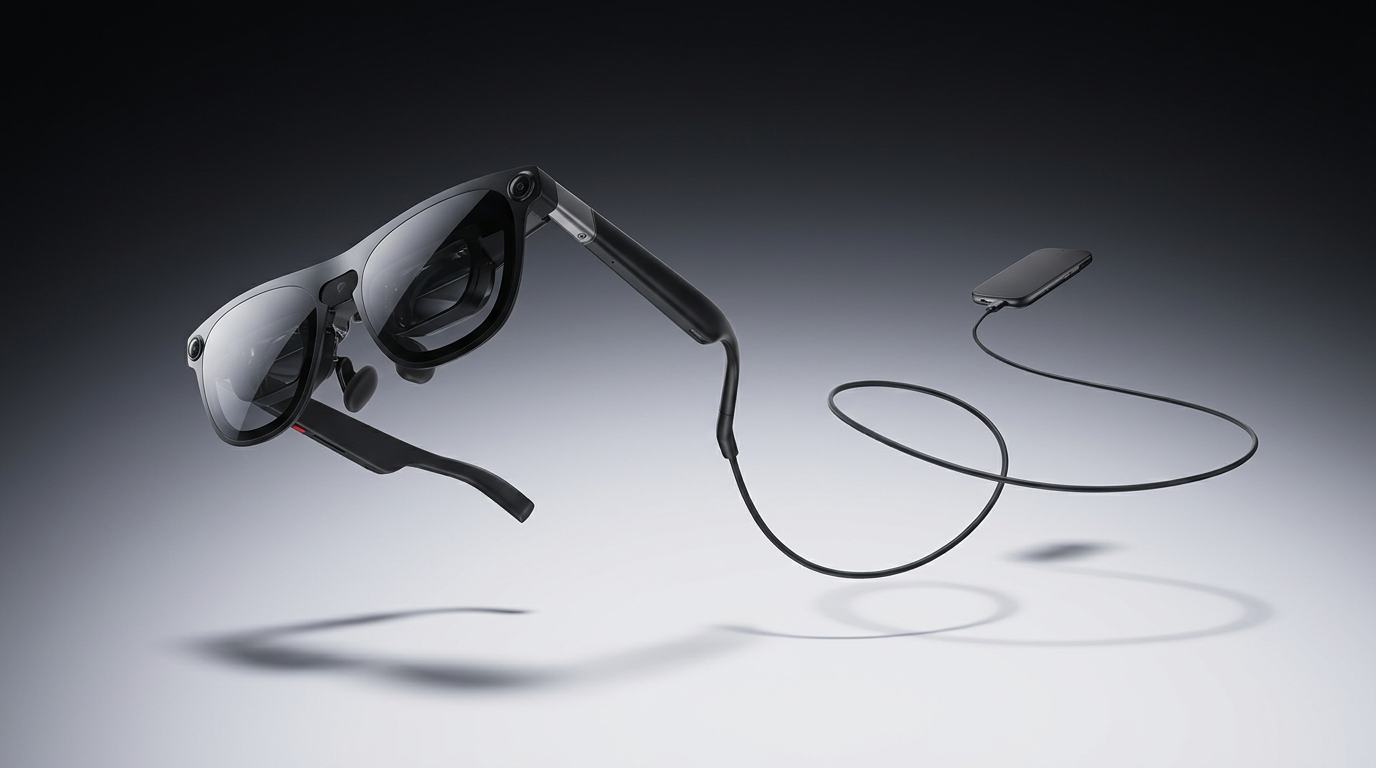
XREAL AURA passes 10,000 reservations before launch: Android XR gains traction in spatial computing
XREAL AURA has passed 10,000 global reservations before reaching the market. The spatial computing glasses pair Android XR, Google Gemini, a 70° field of view and a separate compute puck, signalling early demand for lighter XR devices.