XREAL AURA passes 10,000 reservations before launch: Android XR gains traction in spatial computing
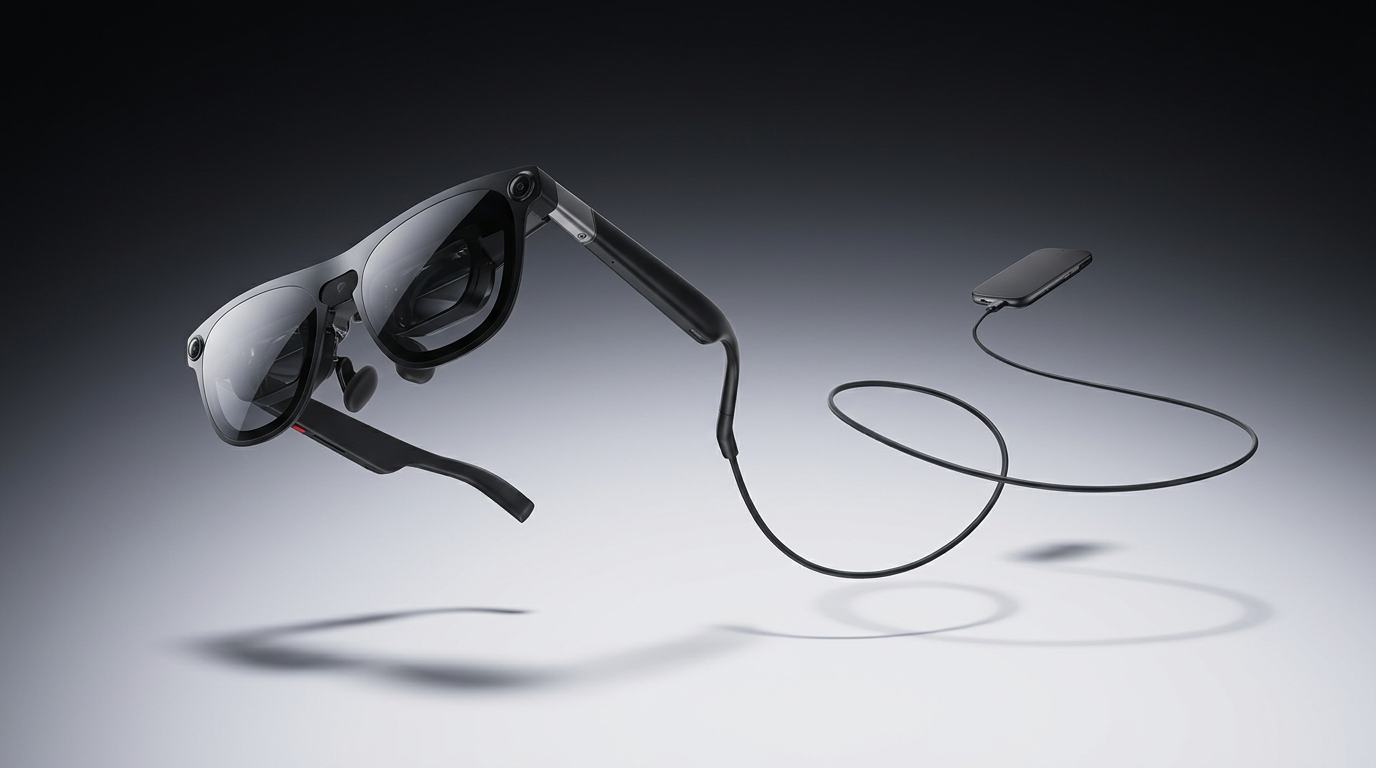
XREAL AURA has passed 10,000 global reservations before reaching the market. The spatial computing glasses pair Android XR, Google Gemini, a 70° field of view and a separate compute puck, signalling early demand for lighter XR devices.
Key takeaways
- XREAL AURA passed 10,000 worldwide reservations about two months after opening them at AWE 2026.
- AURA runs Android XR with Gemini and pairs a 70-degree field of view with an external compute puck.
- Early demand suggests Android XR is gaining traction as a third platform alongside Apple and Meta.
XREAL AURA passes 10,000 reservations
XREAL announced this week that XREAL AURA has passed 10,000 reservations worldwide, roughly two months after opening them during AWE 2026. The company confirmed the milestone on August 20 while it continues preparing the device's commercial launch for autumn 2026.
The figure needs to be read carefully: XREAL is talking about reservations, not 10,000 units sold. Deposits can be refundable and the final purchase still has to be confirmed. Even so, it is a meaningful signal of early interest in a product whose final price has not even been announced.
Spatial computing in a glasses form factor
XREAL is deliberately positioning AURA between two categories. It does not aim to be simply display glasses tethered to a phone, but it does not adopt the bulk of a traditional headset either. The company calls it "spatial computing glasses".
The device uses an optical see-through system with a 70° field of view and moves part of the processing off the glasses into a connected compute puck. That approach keeps the glasses under 95 grams while preserving spatial computing capabilities closer to those of a headset.
- Environment-facing sensors for hand tracking and 6DoF tracking
- AI vision experiences running on-device
- Electrochromic dimming to adjust the level of immersion
Android XR is central to the proposition
AURA is also one of the first devices that shows how Google intends to take Android XR beyond headsets. The glasses use the Snapdragon Reality Elite platform and Android XR, with access to Google Gemini as their artificial intelligence layer.
The approach matters because it leverages a software ecosystem that already exists. XREAL says AURA will have access at launch to Google Play apps such as Google Maps, YouTube, Chrome, Photos and Gemini, plus more than 100 applications built specifically for XR. That is a different strategy from building an XR catalog entirely from scratch: adapting the existing Android ecosystem to spatial interfaces.
The first reservation tiers already sold out
The pace of reservations adds another data point. The 2,000 Founder Priority Passes available initially sold out in roughly 36 hours. The promotion allowing buyers to pay $99 for $199 of launch credit sold out afterwards as well.
XREAL currently keeps a reservation open through a refundable $199 deposit that is later applied to the purchase. There is, however, a significant unknown: the final price is still not public. XREAL has only confirmed that the retail price will be a maximum of $1,500 before taxes.
The 10,000-plus reservations therefore represent early interest, but they do not yet allow anyone to estimate how many of those users will become buyers.
Android XR starts building a hardware ecosystem
AURA is also relevant within a broader trend. Google is trying to turn Android XR into a platform that can run across different hardware formats, from headsets to smart glasses. During AWE 2026, Google confirmed XREAL AURA as one of the first devices in that expansion and presented initiatives to attract developers to the ecosystem.
The Android XR Developer Catalyst program, backed by Google and XREAL, is supplying hardware to selected developers so they can build and adapt applications before the device reaches the market. The strategy echoes a foundational stage in the evolution of other platforms: getting software, developers and hardware in place before attempting mass adoption.
Autumn 2026 will matter for AR glasses
XREAL is holding AURA's launch to autumn 2026, though it has not yet communicated a specific date. It will not be the only relevant device: the current calendar also includes Snap Specs, new Android XR-based proposals and other smart glasses over the coming months.
The market is beginning to show a clearer separation between three categories: smart glasses centered on cameras, audio and AI; display glasses used as portable screens; and glasses with full spatial computing capabilities. AURA is trying to position itself precisely in the last one.
"The 10,000 reservations do not prove mass adoption yet. They do show there is an audience willing to reserve spatial computing hardware before even knowing its final price."
Sources
- XREAL — official AURA page: specifications, reservations, maximum price, Android XR, sensors and developer program
- XREAL — August 21 announcement confirming more than 10,000 global reservations
- Google — Android XR / AWE 2026: AURA confirmed as an Android XR device on Snapdragon Reality Elite with an autumn launch window
- GamesBeat — August 20 independent coverage of the 10,000-reservation milestone and the upcoming global launch
Editorial coverage of industry news and developments across spatial computing and immersive technologies. Every story is reviewed by a second editor, and hardware claims are checked against manufacturer documentation before publication.
Related reading
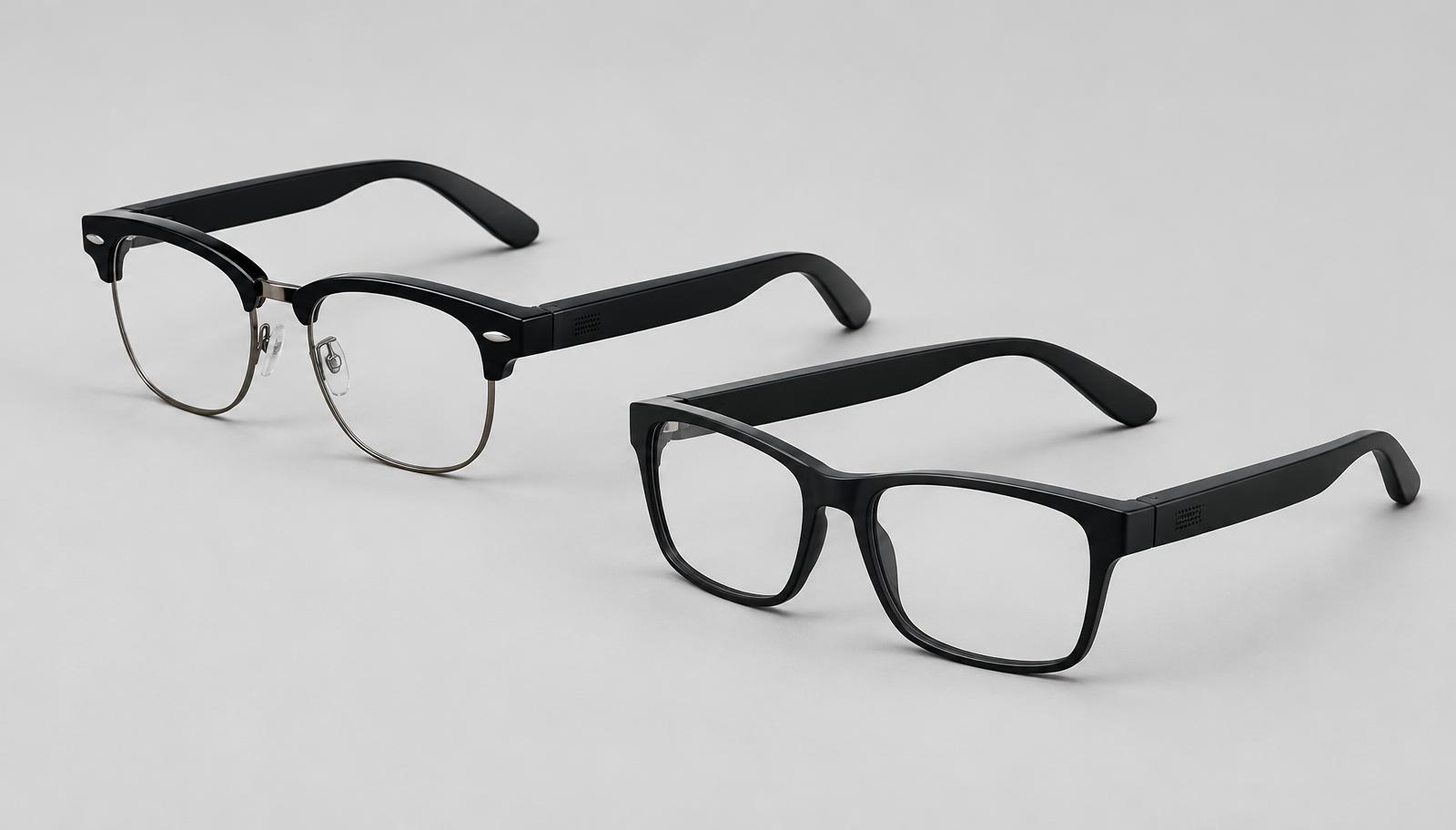
Meta is introducing a different kind of smart glasses
Ray-Ban Meta Audio begins shipping at $349: camera-free, display-free smart glasses built around open-ear audio, voice interaction and Meta's AI assistant.
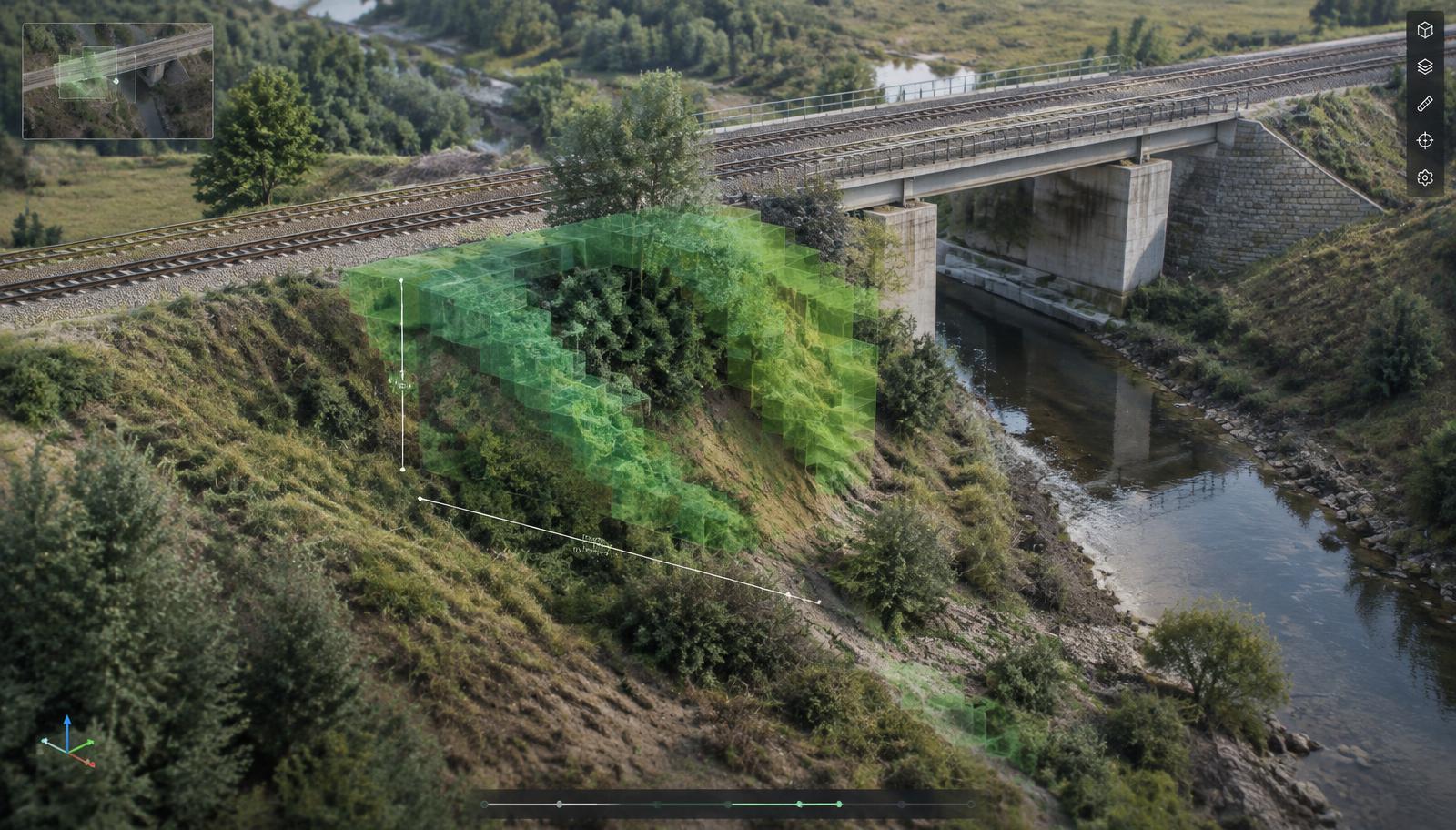
TRANCITY Nebula introduces 3D spatial change detection and new digital twin analytics tools
CalTa announces new spatial analytics capabilities for TRANCITY Nebula, including voxel-based change detection, 3D visualization, digital twins and environmental data overlays.
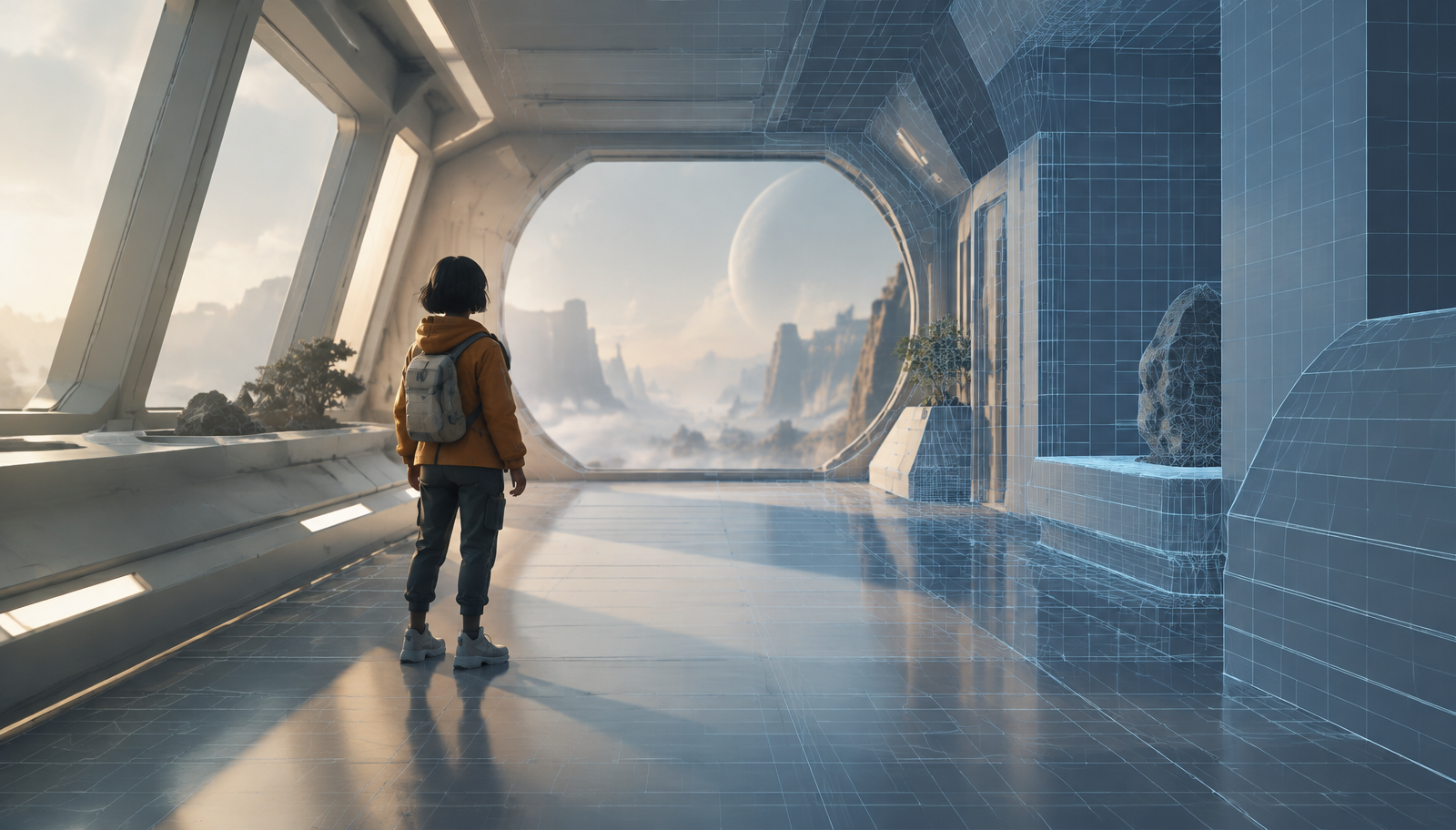
Google and Unity introduce Unity Spark, bringing AI-powered creation closer to interactive 3D development
Google and Unity announce Playground and Unity Spark, combining generative AI, natural language creation and Unity's real-time 3D engine to simplify interactive development.