Samsung unveils Intelligent Eyewear: smart glasses with Android XR and Gemini AI
Samsung has introduced Intelligent Eyewear, its first line of smart glasses running Android XR with Gemini AI, developed with Google, Qualcomm, Gentle Monster and Warby Parker.
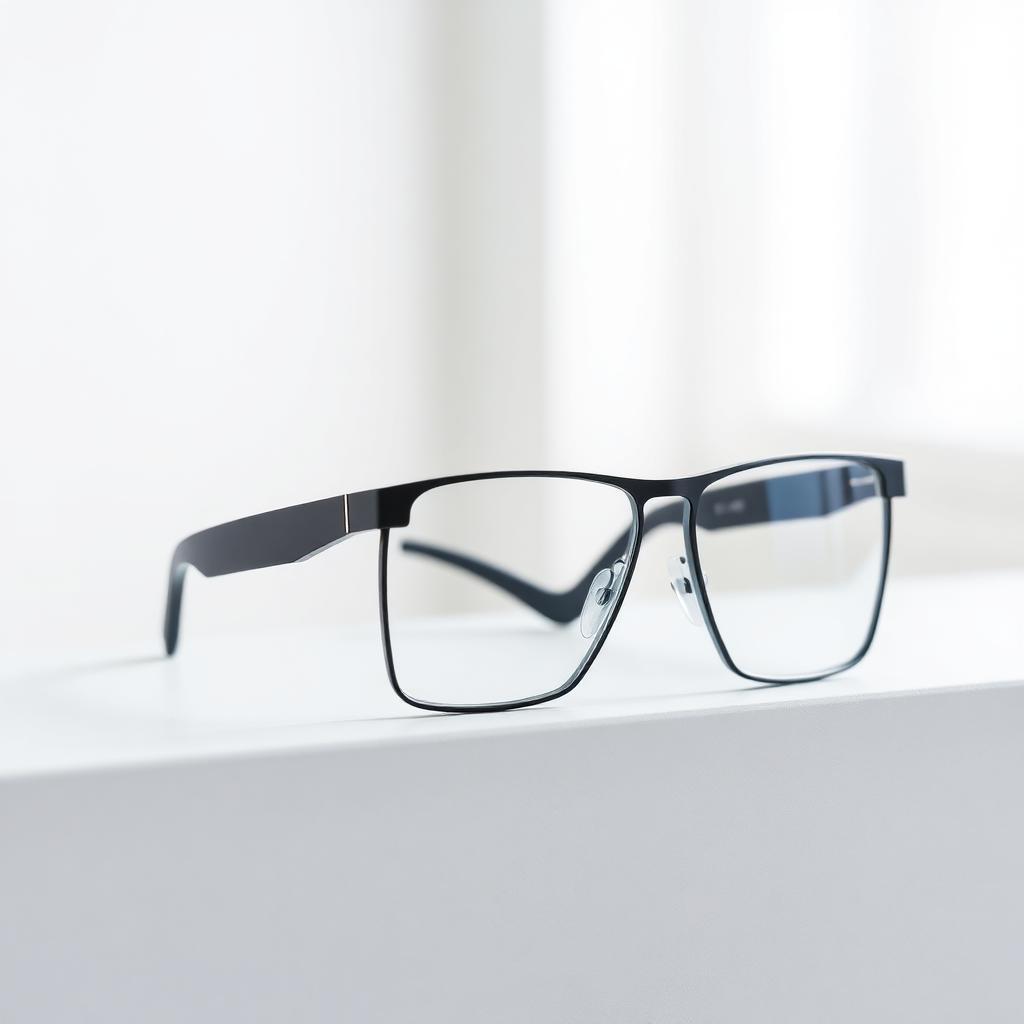
At Galaxy Unpacked 2026, Samsung unveiled Intelligent Eyewear, its first line of smart glasses built on Android XR. The device was developed together with Google, Qualcomm, Gentle Monster and Warby Parker, combining artificial intelligence, design and spatial computing in a form factor meant for everyday use.
Unlike traditional XR headsets, Samsung's approach prioritizes a discreet, lightweight and socially acceptable design, bringing the technology closer to a daily accessory.
AI baked in from day one
The new glasses run on Android XR and ship with Google Gemini as the primary assistant. The hardware uses Qualcomm's Snapdragon AR1 Gen 1 processor, a platform optimized for lightweight devices with on-device AI capabilities.
- Real-time translation
- Contextual navigation
- Voice-based queries
- Visual analysis of the surroundings
- Photo capture
- Voice commands and touch surface controls
Design as a strategic factor
Samsung partnered with Gentle Monster and Warby Parker to design frames that look like regular eyewear. The goal is to remove one of the XR market's main adoption barriers: users' reluctance to wear bulky or visually intrusive devices. The company announced roughly 9 hours of battery life, extendable through a portable charging case.
Privacy is back at the center of the debate
Samsung added a visible indicator light when the camera is recording, aiming for greater transparency about how the device is used. The approach contrasts with recent criticism aimed at other manufacturers over the perception of surveillance tied to this category of product.
"Social acceptance of smart glasses will depend as much on their usefulness as on the trust they build in public spaces."
What it means for the XR industry
- Focus shifts from headsets to lightweight smart glasses
- Artificial intelligence becomes the main product differentiator
- Android XR consolidates as a shared platform across manufacturers
- Design, privacy and battery life gain weight comparable to raw performance
After the announcements of XREAL AURA, the new Snap Specs and now Samsung's Intelligent Eyewear, the market enters a phase of competition centered on everyday devices rather than one-off immersive experiences.
Editorial coverage of industry news and developments across spatial computing and immersive technologies.
Related reading
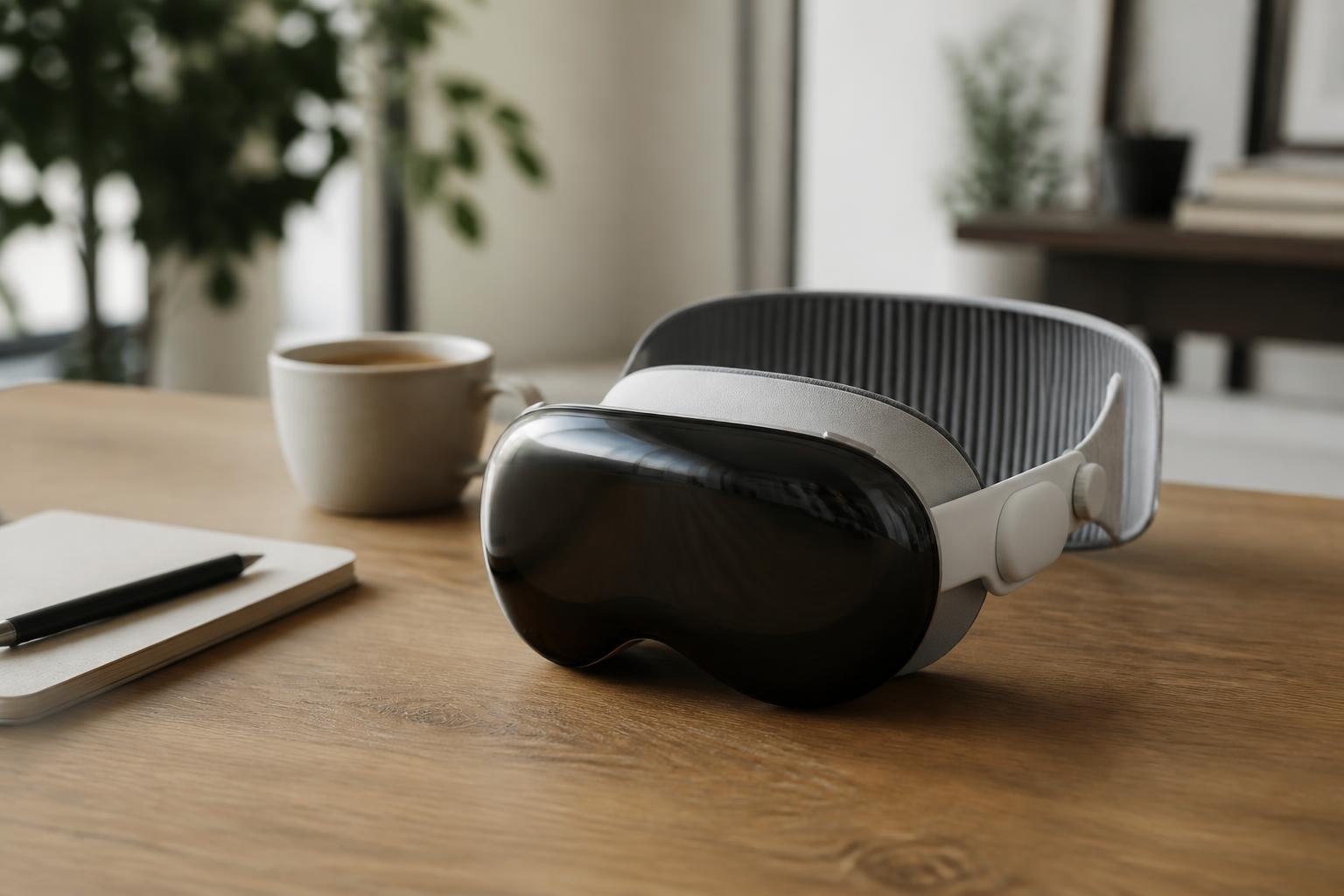
Apple Vision Pro enterprise rollouts accelerate in Q1
Field service, logistics and design teams report measurable productivity gains as Vision Pro spatial computing deployments scale past pilot programs.
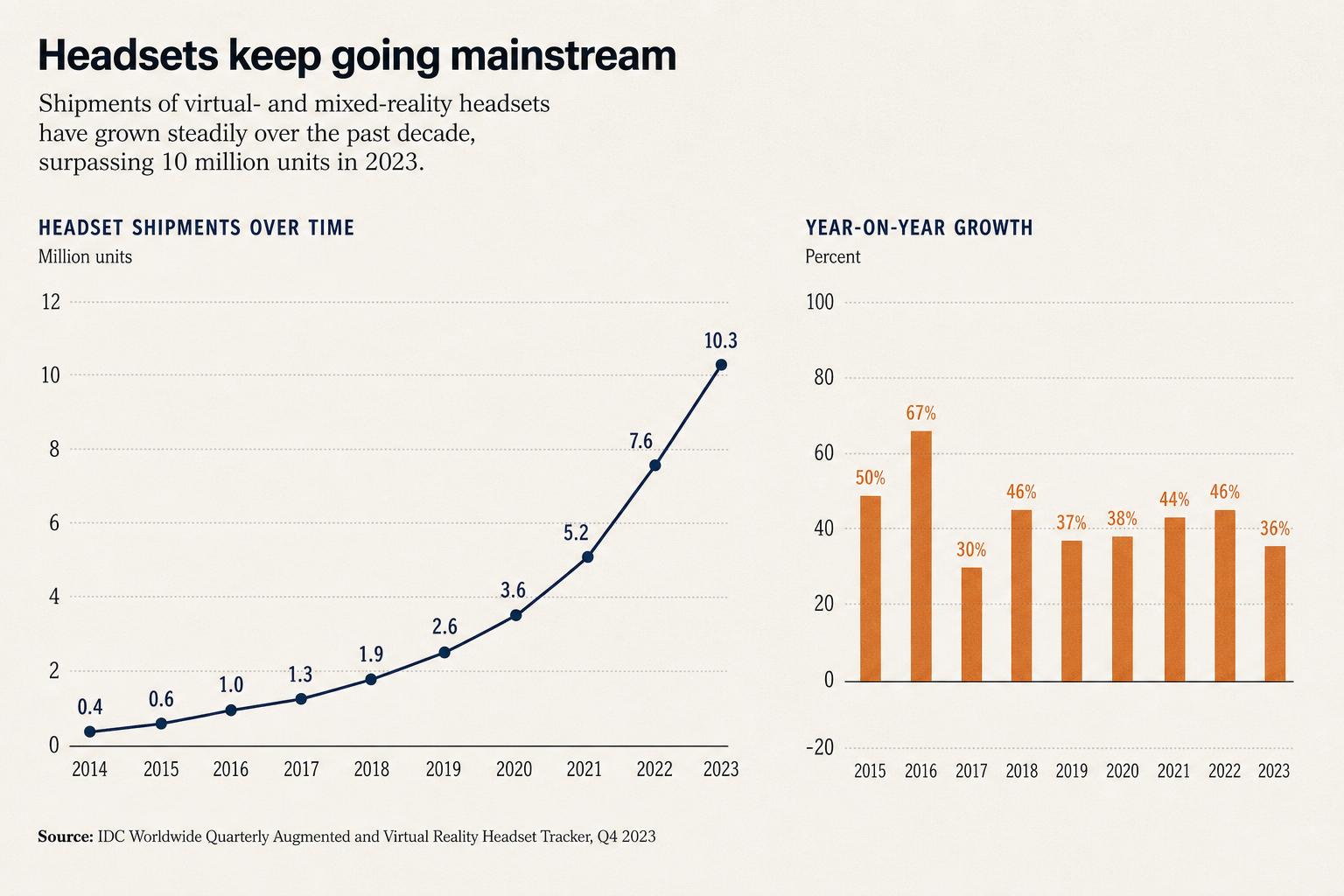
Spatial computing market 2025: who's actually buying
A snapshot of the spatial computing market: which industries are buying headsets, what they're spending and where adoption is real versus aspirational.

News desk roundup: what we're tracking in spatial computing
Our weekly roundup of spatial computing news — Apple Vision Pro, Meta Quest, Android XR, OpenXR and the platforms shaping immersive UX.