Android XR ships developer preview 2 with spatial APIs
Google's second preview introduces shared world anchors, scene understanding and improved Unity bindings for spatial computing developers.
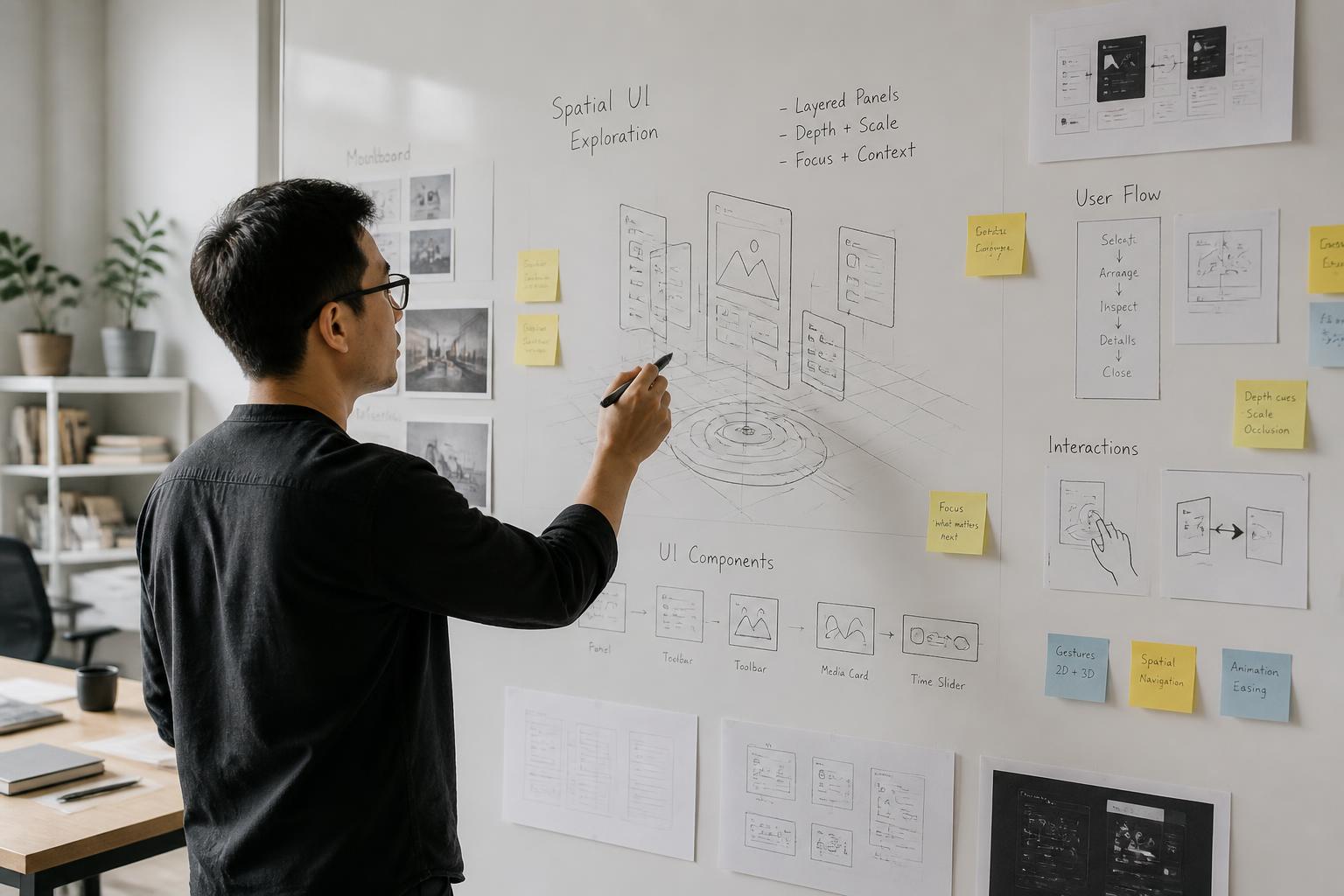
Android XR developer preview is reshaping how organizations design, measure and scale spatial computing experiences. Across the industry, teams are moving past prototypes and asking harder questions about adoption, behavior and business outcomes.
Why this matters now
The shift toward production-grade spatial computing has placed analytics, accessibility and design quality at the center of the conversation. Decision makers want evidence, not demos — and the tooling ecosystem is finally beginning to respond.
"We don't have a hardware problem. We have a measurement problem."
— Head of Immersive, Fortune 500 retailer
What we're tracking
- Behavioral telemetry that respects user privacy
- Cross-platform analytics across Vision Pro, Quest and Android XR
- Accessibility audits for immersive interfaces
- Procurement frameworks for enterprise XR programs
We'll continue covering these threads in upcoming reports, benchmarks and field studies. If you're working on something in this space, our research desk would like to hear from you.
Editorial coverage of industry news and developments across spatial computing and immersive technologies. Every story is reviewed by a second editor, and hardware claims are checked against manufacturer documentation before publication.
Related reading
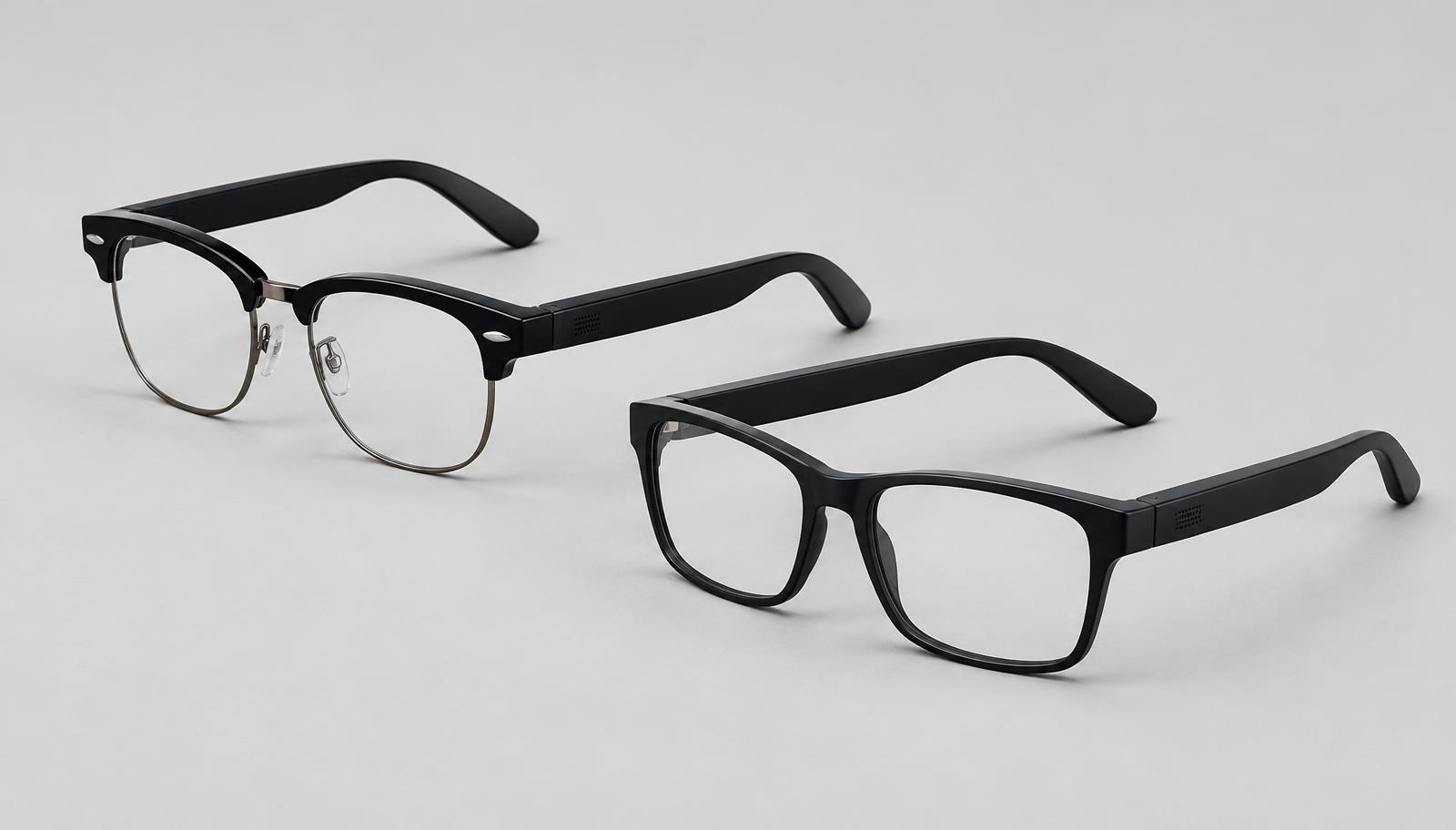
Meta is introducing a different kind of smart glasses
Ray-Ban Meta Audio begins shipping at $349: camera-free, display-free smart glasses built around open-ear audio, voice interaction and Meta's AI assistant.
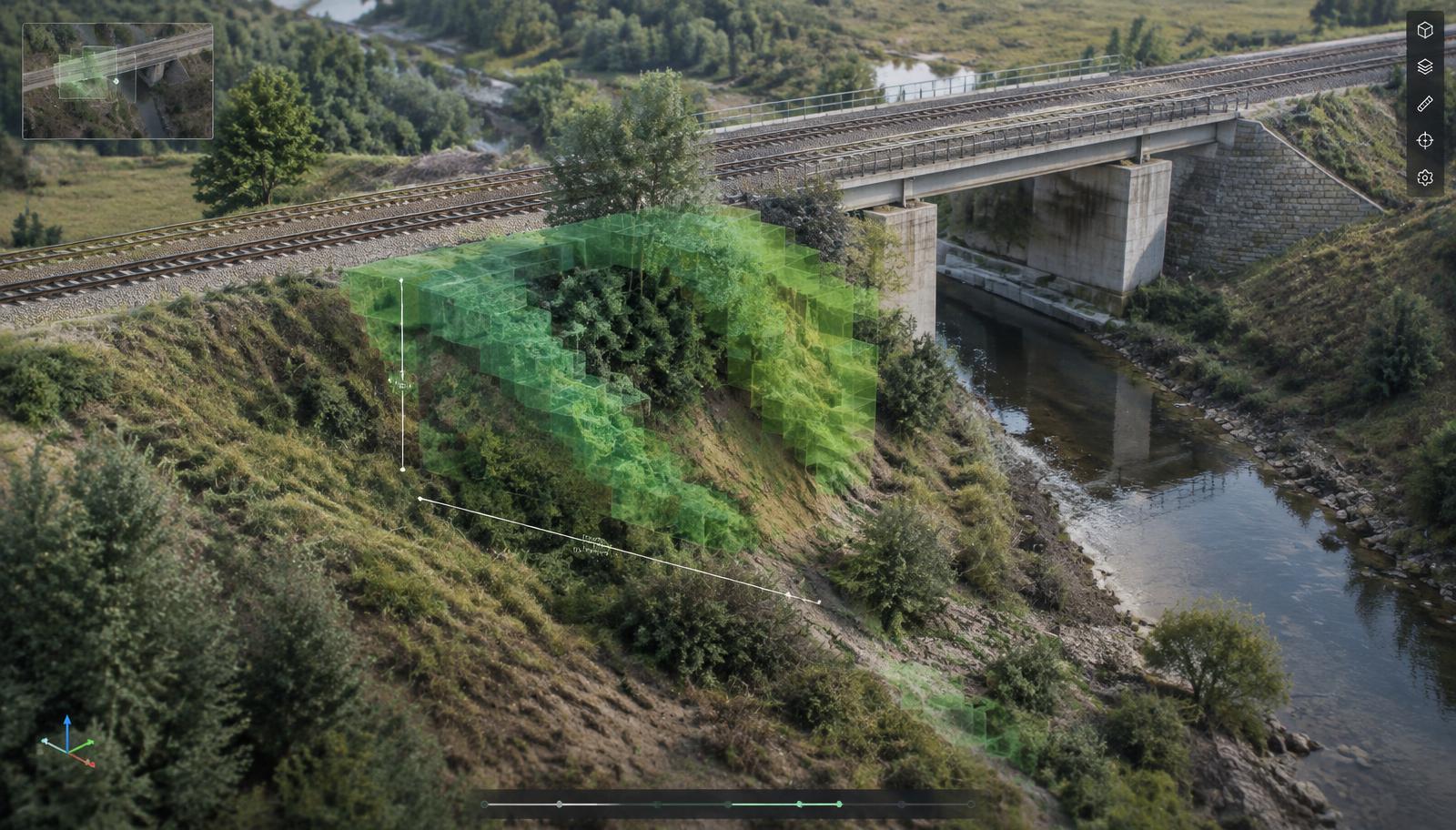
TRANCITY Nebula introduces 3D spatial change detection and new digital twin analytics tools
CalTa announces new spatial analytics capabilities for TRANCITY Nebula, including voxel-based change detection, 3D visualization, digital twins and environmental data overlays.
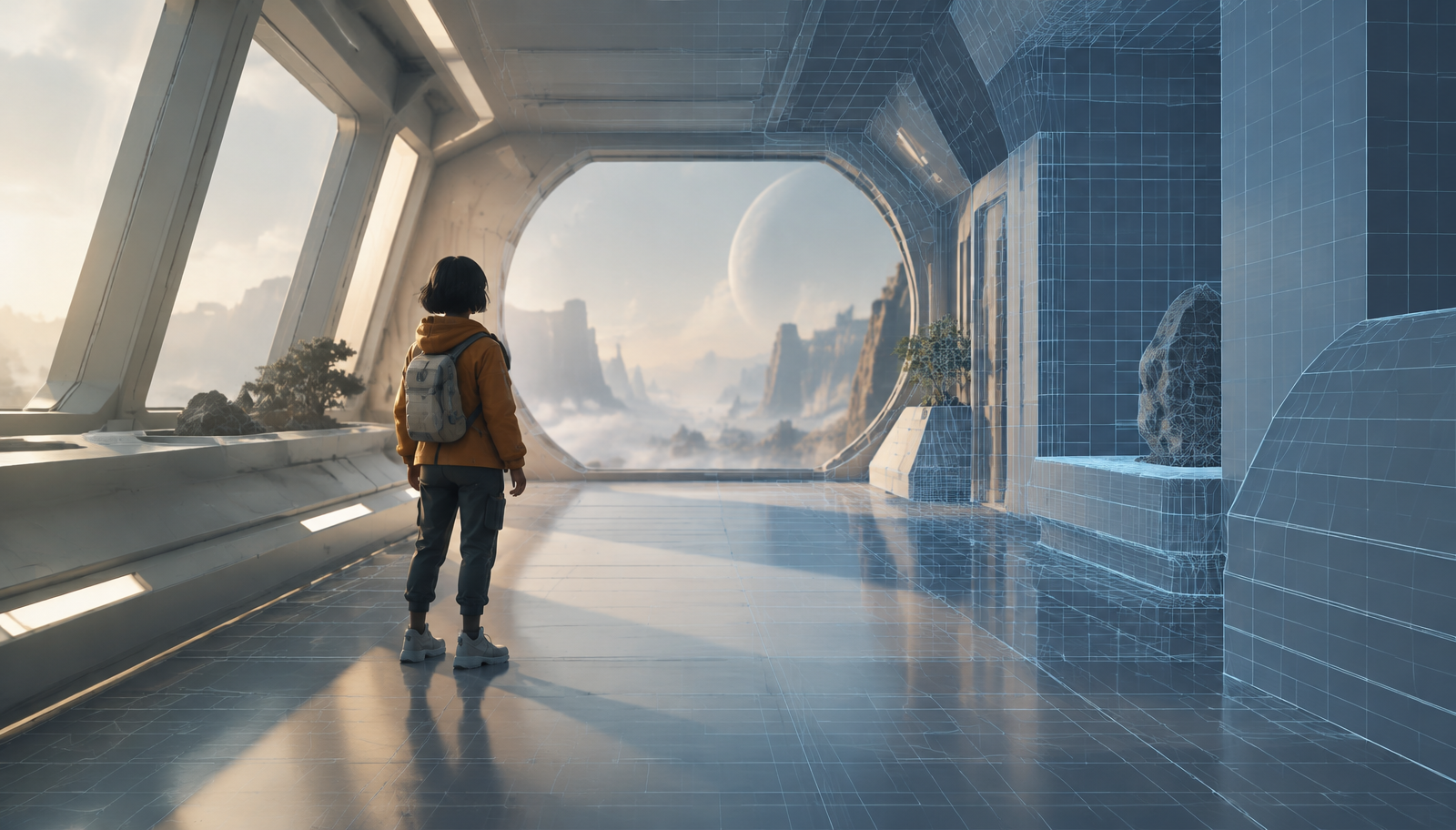
Google and Unity introduce Unity Spark, bringing AI-powered creation closer to interactive 3D development
Google and Unity announce Playground and Unity Spark, combining generative AI, natural language creation and Unity's real-time 3D engine to simplify interactive development.