Google and Unity introduce Unity Spark, bringing AI-powered creation closer to interactive 3D development
Google and Unity announce Playground and Unity Spark, combining generative AI, natural language creation and Unity's real-time 3D engine to simplify interactive development.
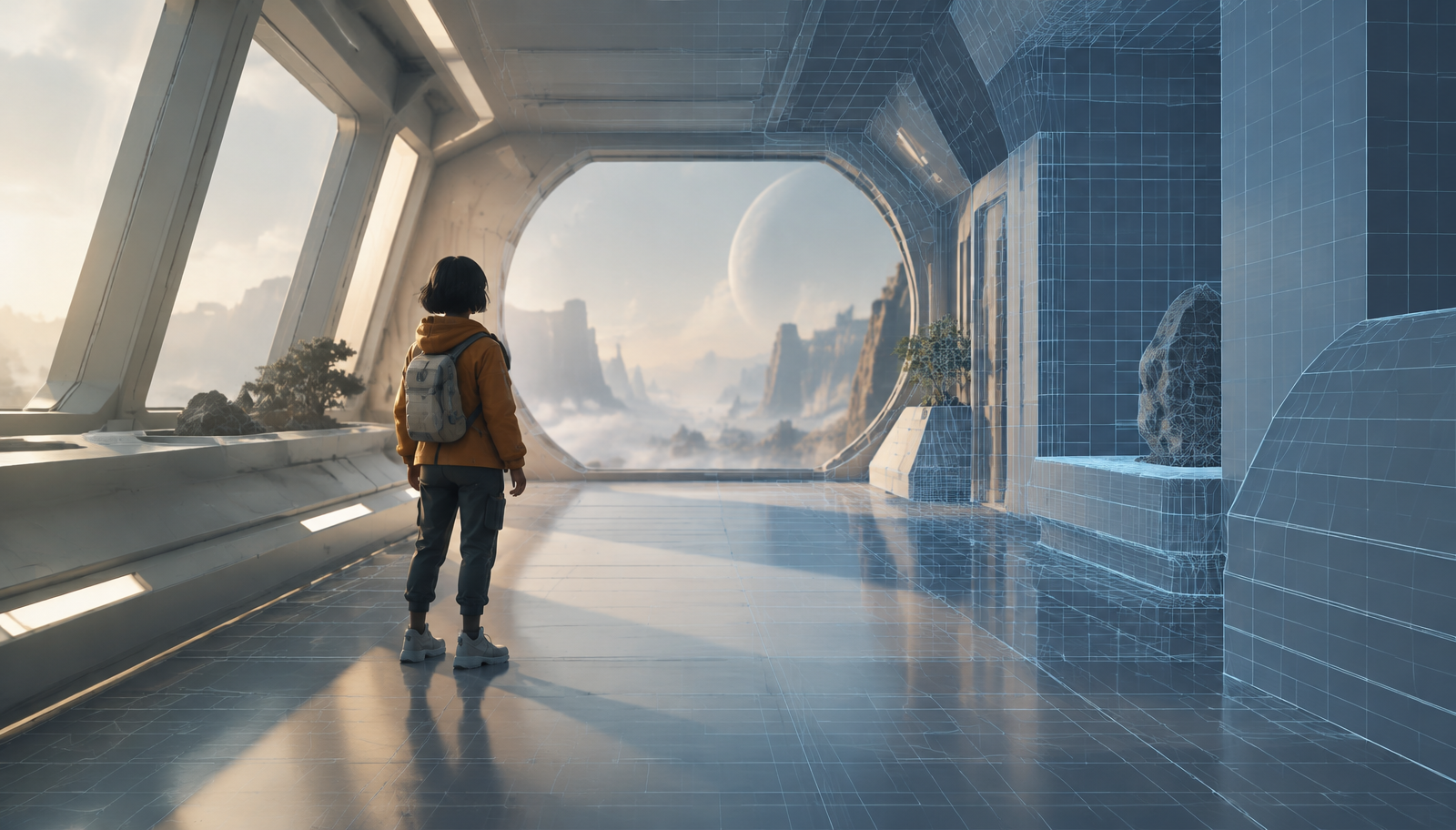
Key takeaways
- Google and Unity announced a strategic partnership on October 7, 2026, built around two products: Google Playground and Unity Spark.
- Google Playground is already available experimentally in the United States for adults, generating playable games from natural language instructions.
- Unity Spark, expected in closed beta later in 2026, connects AI-assisted creation with Unity's real-time 3D engine, advanced mechanics and high-fidelity 3D.
- The partnership links creation with distribution through Google Play Games profiles, leaderboards and multiplayer matchmaking.
- No native XR deployment has been announced for Unity Spark; pricing and Unity Editor integration details remain unconfirmed.
Building interactive experiences could become much more accessible
Creating interactive 3D experiences has traditionally required a combination of specialized skills. Developers need to understand programming, game engines, physics systems, assets, animation and application logic. Designers often rely on visual editors and prototyping tools before their concepts can become functional experiences.
Generative AI is beginning to change parts of that workflow. On October 7, 2026, Google and Unity announced a strategic partnership focused on creating a new generation of AI-powered interactive development tools.
The initiative introduces two connected products: Google Playground, an experimental platform already available to eligible users, and Unity Spark, a more advanced creation environment scheduled to arrive later in 2026. The companies describe the partnership as an attempt to make interactive creation accessible to a broader audience while preserving a path toward more sophisticated development capabilities.
Google Playground starts with natural language
The first component of the initiative is Playground. The platform allows users to generate playable games through natural language instructions. Instead of beginning with a blank development environment, users describe what they want to create, and the system generates an interactive experience based on those instructions.
Creators can then continue modifying the result through additional prompts. For example, a user could describe a simple game environment, specify how a character should move and request changes to the rules or appearance. The interaction becomes conversational rather than exclusively technical.
Google positions Playground as an experimental creation platform for adults aged 18 and older, and the initial release is available in the United States. Playground is not intended to replace every aspect of professional game development; its immediate objective is to reduce the complexity of creating and modifying simple interactive experiences.
Unity Spark introduces a more advanced development layer
The second component is Unity Spark. Unlike Playground, Unity Spark is designed to connect AI-assisted creation with the capabilities of Unity's real-time development technology. Unity describes Spark as a new product built around an accessible creation interface and a more powerful underlying development environment.
The company plans to introduce advanced gameplay mechanics, high-fidelity 3D capabilities and access to the flexibility of the Unity runtime. This creates a progression between two different development needs: Playground provides a relatively simple environment for generating playable concepts, while Unity Spark is intended to support creators who need more sophisticated control over interactive behavior and three-dimensional environments.
The announcement suggests a development workflow where users can begin with natural language and progressively refine the experience using more advanced tools. Unity Spark is not yet generally available; its official website currently presents the product as coming soon and offers access to a waiting list.
From generating content to generating interactions
One of the important distinctions in this announcement is the focus on interactivity. Generative AI tools have already made image, video and 3D asset creation more accessible. However, generating a visual asset is different from creating a functional interactive environment.
An image does not need to respond to user input. A video follows a predetermined sequence. An interactive experience must respond to actions and maintain consistent behavior. Characters need rules, objects need relationships, events need conditions, and environments need to respond to user input. This introduces challenges that go beyond visual generation.
Google and Unity are positioning their collaboration around the creation of experiences that users can actually play and modify. Unity's engine technology provides an established foundation for real-time rendering, physics and interactive application development, while Google contributes generative AI capabilities and a large consumer distribution ecosystem. The combination is intended to connect AI-assisted creation with functional interactive software.
The role of professional development tools
AI-generated experiences can provide an initial starting point, but professional projects require more than a working prototype. Developers need control over application behavior, assets, performance, testing and deployment. Unity Spark is intended to address part of that gap.
According to Unity, the product will support more advanced mechanics and three-dimensional capabilities than the initial Playground experience. Its official positioning also emphasizes the use of artist-created assets. That distinction is relevant because AI-assisted development does not necessarily mean every visual component must be generated from scratch; existing asset libraries, professional development tools and human-created content can remain part of the workflow.
However, Unity has not yet published a complete technical specification describing how Spark projects will integrate with existing Unity Editor workflows. The extent of direct project portability, source-code access and advanced debugging capabilities therefore remains to be confirmed.
Distribution is part of the product
The partnership is not limited to development tools. Google and Unity also want to connect creation with distribution. Playground includes community features that allow users to discover and share games, and the platform integrates with Google Play Games profiles and supports social features such as leaderboards and multiplayer matchmaking. Google also plans to highlight selected creations across its ecosystem.
This creates a workflow that connects several stages of interactive development: a creator generates an initial experience, the experience can be modified and refined, the finished result can be shared, and other users can discover and play it. The companies intend to expand this ecosystem as Unity Spark becomes available. The commercial terms for creators and the complete publishing model have not yet been detailed publicly.
What does this mean for real-time 3D?
Unity is already widely used to create interactive three-dimensional applications. Its technology supports games, simulations, visualization tools and XR experiences, which makes the announcement relevant beyond conventional game development.
Many workflows involving real-time 3D require similar technical foundations. A designer creating an interactive prototype needs objects, behaviors and user input. A developer building a simulation needs environments, rules and real-time feedback. An XR team needs spatial content, interaction logic and a rendering environment. AI-assisted creation tools could eventually reduce some of the technical work involved in building these experiences.
However, an important distinction remains: Google and Unity have not announced native XR deployment capabilities for Unity Spark. The current announcement focuses on games and interactive 3D creation. Although Unity supports XR development through its broader engine ecosystem, that does not establish that Unity Spark projects can currently be deployed directly to XR headsets. Any future XR compatibility will require separate confirmation.
AI changes the starting point, not the need for design
One of the most significant changes introduced by generative development tools is the reduction of initial production effort. A creator can potentially move from an idea to a playable prototype without first implementing every system manually. That changes how early concepts can be explored.
But the ability to generate an experience does not automatically establish whether the experience is useful, understandable or enjoyable. Interaction design still requires decisions about user behavior, spatial environments still need coherent layouts, complex applications still need performance optimization, and interactive systems still require testing. The development process may become faster at generating initial alternatives, while evaluation and refinement remain essential. This is particularly relevant for three-dimensional experiences, where visual complexity can increase faster than interaction quality.
Unity Spark is still at an early stage
The announcement establishes the direction of the partnership, but several details remain open. Unity Spark is expected to enter a closed beta later in 2026, and the company has not confirmed a general availability date. Detailed pricing, complete development capabilities and the full relationship between Spark and the conventional Unity Editor have not yet been announced.
Google Playground, meanwhile, is already available experimentally. The two products should therefore not be treated as having the same release status: Playground is an accessible starting point that users can begin exploring, while Unity Spark represents the more advanced development environment planned for the next stage.
A different entry point into interactive development
The Google and Unity partnership reflects a broader transition in software creation. Traditional development environments begin with tools, programming languages and technical structures. Generative AI introduces another possible starting point: describing the intended experience. The creator begins with an idea, the system generates an initial implementation, the creator evaluates and modifies the result, and more advanced tools become available as the project grows.
This does not eliminate the need for professional development; it changes how someone can enter the process. For real-time 3D, that distinction could become particularly important. Interactive environments are increasingly used beyond entertainment, including visualization, simulation, education and immersive applications. Tools that simplify the creation of functional 3D experiences could expand the number of people capable of prototyping them.
Google Playground is the first publicly available component of this initiative. Unity Spark will determine how far that model can extend toward more sophisticated interactive development. The next stage of real-time 3D creation may begin with natural language, but its value will still depend on the ability to refine, control and deploy the resulting experience.
Sources
- Unity — October 7, 2026. Official announcement of the Google and Unity strategic partnership, including Playground, Unity Spark and the planned development ecosystem.
- Unity Spark — Official product website. Product positioning, preview experiences and waiting-list availability.
- Unity Investor Relations — October 7, 2026. Corporate announcement confirming the partnership and planned product capabilities.
- The Verge — October 7, 2026. Independent coverage of Google Playground, Unity Spark and the initial product availability.
Editorial coverage of industry news and developments across spatial computing and immersive technologies. Every story is reviewed by a second editor, and hardware claims are checked against manufacturer documentation before publication.
Related reading

Meta is introducing a different kind of smart glasses
Ray-Ban Meta Audio begins shipping at $349: camera-free, display-free smart glasses built around open-ear audio, voice interaction and Meta's AI assistant.
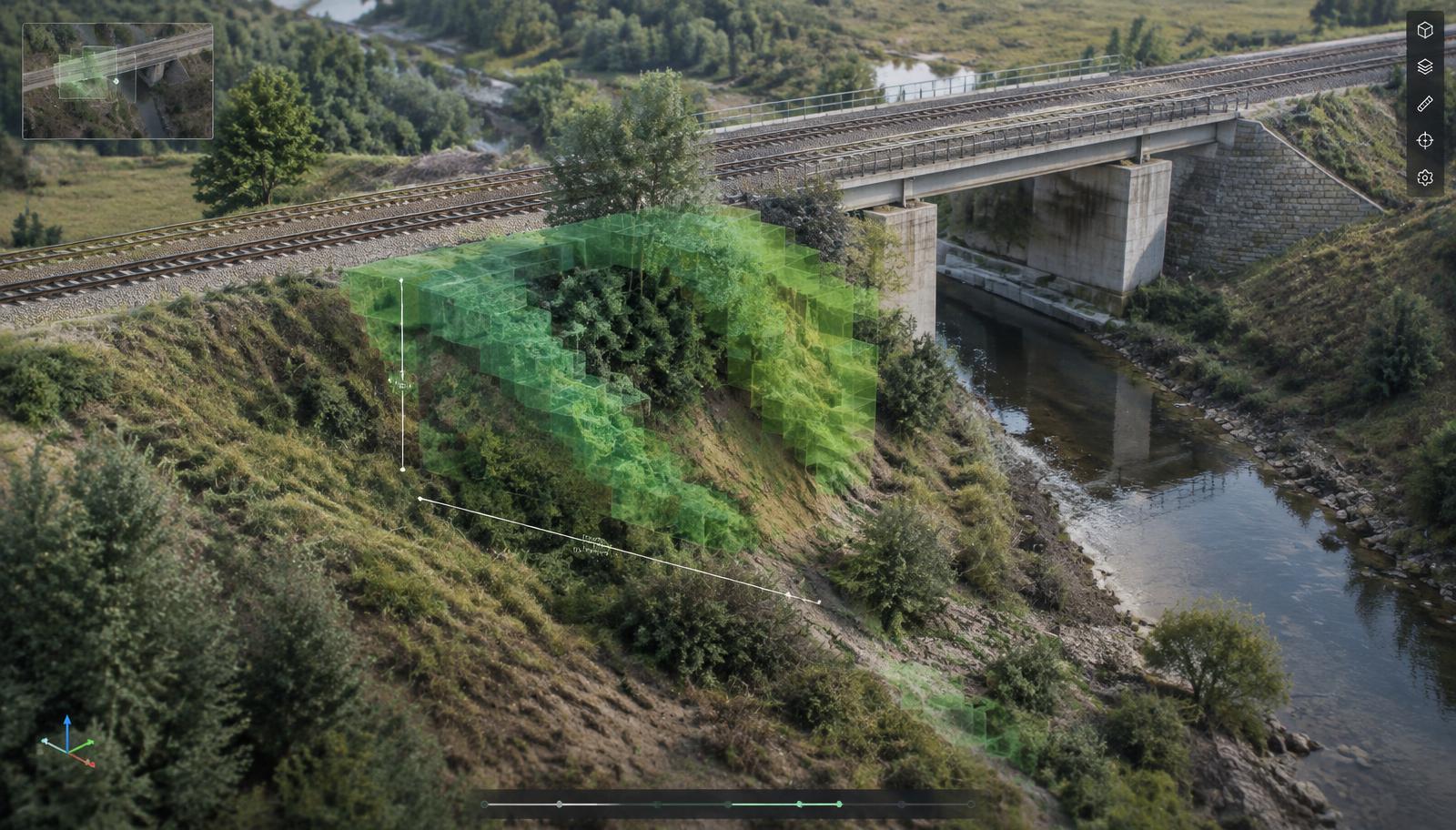
TRANCITY Nebula introduces 3D spatial change detection and new digital twin analytics tools
CalTa announces new spatial analytics capabilities for TRANCITY Nebula, including voxel-based change detection, 3D visualization, digital twins and environmental data overlays.
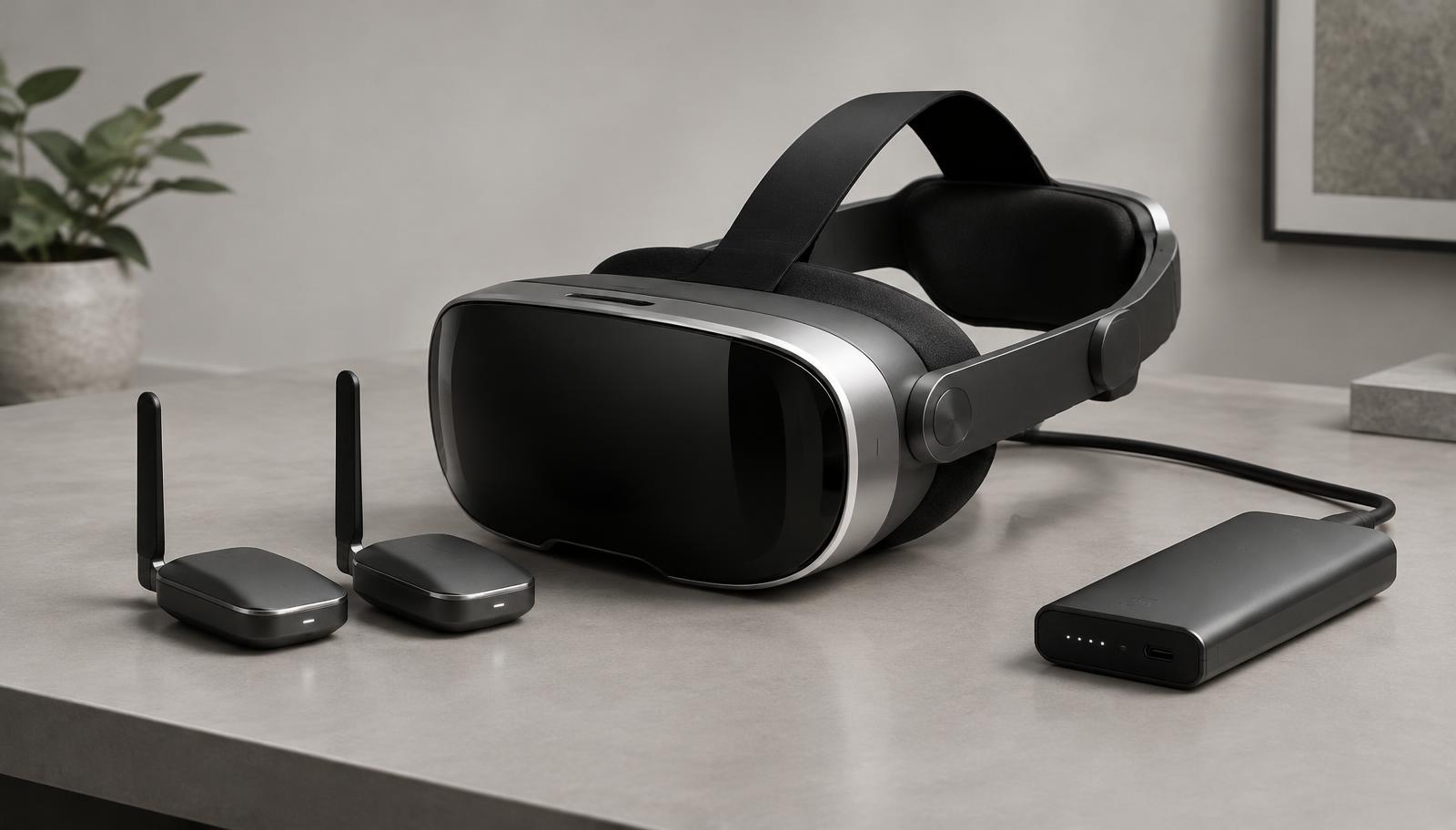
Pimax Crystal Pro introduces eye-tracked wireless streaming without video compression in the focus area
Pimax unveils Crystal Pro, a wireless VR headset featuring eye-tracked 60GHz streaming, 2880 × 2880 displays per eye and an optional 6Gbps AirLink system.