Schneider Electric's $22.6 billion PTC acquisition brings enterprise AR into a larger industrial software ecosystem
Schneider Electric announces a $22.6 billion acquisition of PTC, bringing Vuforia's augmented reality software into a broader industrial AI and digital twin ecosystem.
Key takeaways
- Schneider Electric will acquire PTC for $205 per share in cash, valuing its equity at about $22.6 billion (enterprise value about $23.7 billion).
- The deal includes PTC's Vuforia enterprise AR portfolio: Engine, Studio, Expert Capture and Chalk.
- Schneider Electric aims to build a digital thread linking design, operations, digital twins and industrial AI.
- No new Vuforia integration or product roadmap has been announced as part of the transaction.
- Closing is expected by Q3 2027, subject to shareholder and regulatory approvals.
Enterprise augmented reality is becoming increasingly connected to the broader industrial software market. On October 5, Schneider Electric and PTC announced a definitive agreement under which Schneider Electric will acquire PTC in an all-cash transaction valuing the company's equity at approximately $22.6 billion.
The agreement covers PTC's extensive industrial software portfolio, including CAD, product lifecycle management, service lifecycle management and augmented reality technologies. Among those technologies is Vuforia, one of the most established software platforms for developing and deploying industrial AR experiences.
The acquisition is not exclusively about augmented reality. However, it places an important enterprise AR software portfolio within a much larger strategy connecting product engineering, industrial operations, digital twins and artificial intelligence. The transaction remains subject to shareholder and regulatory approvals, with completion currently anticipated by the third quarter of 2027.
Why PTC matters to the XR industry
PTC is widely recognized for its industrial engineering and product lifecycle software. Its products help companies design complex equipment, manage engineering information and maintain physical assets throughout their operational lives.
But PTC also has a substantial presence in augmented reality. Through Vuforia, the company provides technologies that connect digital information with physical objects and environments. These tools are used across manufacturing, maintenance, training, technical assistance and industrial visualization.
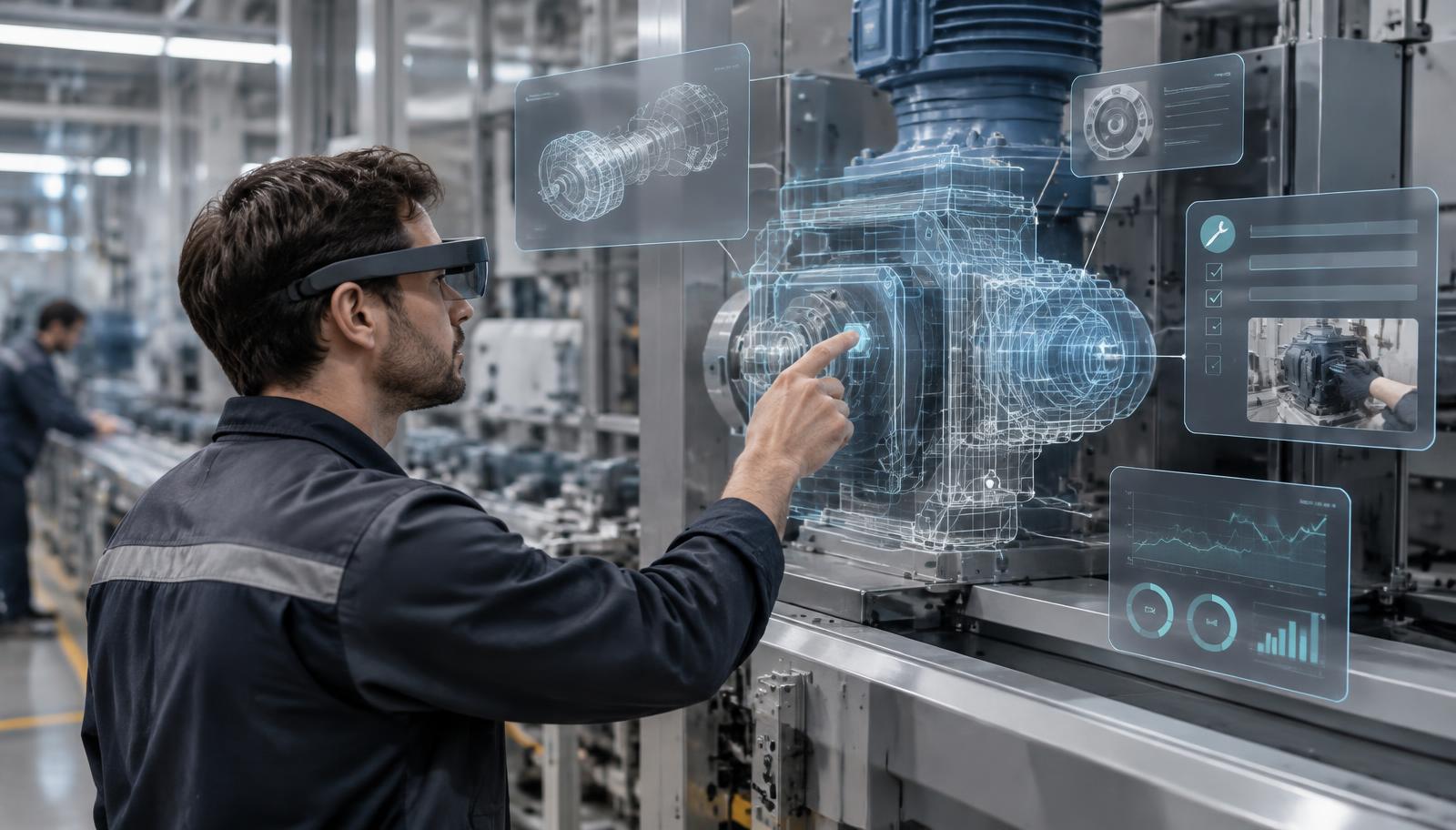
Unlike consumer-oriented AR applications, enterprise AR frequently depends on information already stored within industrial systems. A technician may need to visualize a machine's internal components. A maintenance worker may need step-by-step instructions attached to physical equipment. A manufacturing operator may need contextual information while completing an assembly procedure.
These experiences become more valuable when the AR application can access reliable engineering and operational data. That relationship between physical equipment and digital information is central to the acquisition's broader industrial software strategy.
Vuforia includes more than one AR product
PTC's Vuforia portfolio covers several distinct areas of augmented reality development and deployment:
- Vuforia Engine provides computer vision and tracking technologies for building AR applications that recognize images, objects and physical environments.
- Vuforia Studio allows organizations to transform existing CAD and IoT data into contextualized augmented reality experiences.
- Vuforia Expert Capture focuses on creating and distributing procedural knowledge, including AR work instructions and AI-assisted inspection workflows.
- Vuforia Chalk supports remote assistance, allowing experts to guide workers through technical procedures using visual annotations connected to the physical environment.
Together, these products address different stages of enterprise AR adoption. Organizations can develop applications, create instructional content, provide remote assistance and connect digital information with real-world tasks. PTC positions Vuforia as part of the infrastructure that helps industrial companies transfer knowledge and make technical information accessible at the point of work.
Schneider Electric wants to connect the entire industrial lifecycle
Schneider Electric's acquisition strategy extends beyond adding another software vendor to its portfolio. The company wants to connect information across the complete lifecycle of industrial products and systems — beginning with design and engineering, and continuing through manufacturing, installation, operation, maintenance and optimization.
PTC contributes software that manages product design and engineering information. Schneider Electric contributes expertise and technology related to industrial operations, energy management and automation. The combination is intended to create a more unified foundation for industrial data and AI applications.
Schneider Electric describes this concept as a digital thread connecting information across different stages of the product and asset lifecycle. Instead of treating design data, operational information and maintenance records as separate systems, the objective is to make that information available within a connected environment.
Where augmented reality fits
Augmented reality provides one possible interface between industrial information and physical work. A digital twin can represent the structure or operating state of a machine. An AR application can place relevant information directly onto that machine.
A technician inspecting industrial equipment could potentially access information about specific components, operating conditions or maintenance procedures without switching between disconnected systems. A training application could use the same engineering data to demonstrate assembly sequences. A remote expert could provide contextual guidance while another employee works directly with the equipment.
These capabilities already exist across different enterprise AR solutions. The broader opportunity lies in connecting them more closely to the systems that manage product and operational information. However, the companies have not announced a specific new Vuforia integration or product roadmap resulting from the transaction.
Industrial AI needs physical context
Industrial AI systems need more than general-purpose language capabilities. They also require accurate information about equipment, engineering constraints, operational processes and maintenance history. A system assisting with industrial maintenance must understand which machine is being inspected, how it was designed and which procedures apply to it.
That information may exist across CAD systems, product lifecycle databases and operational platforms. Schneider Electric's strategy is to connect these sources into a more comprehensive industrial data foundation — and augmented reality could serve as one of the interfaces through which that information reaches workers, within the physical context of the task.
The combination of industrial data, AI and AR therefore represents a potential direction for future enterprise applications. It remains an opportunity rather than a confirmed new capability from the acquisition.
A major software transaction with a long integration timeline
- Price: $205 per PTC share, in cash.
- Equity value: approximately $22.6 billion.
- Implied enterprise value: approximately $23.7 billion.
- PTC customer base: more than 30,000 customers globally.
- Expected completion: by the third quarter of 2027, subject to approvals.
Schneider Electric expects the combined portfolio to strengthen its position across industrial software, engineering information and AI-enabled operations. Until the transaction closes, PTC and its products remain under their existing ownership and operating arrangements.
Enterprise AR is becoming part of a broader software infrastructure
Augmented reality is increasingly discussed alongside industrial software, digital twins, automation and artificial intelligence rather than as an isolated visualization technology. For industrial applications, the value of AR depends heavily on the information available to the user: accurate product data makes instructions more useful, operational information provides context, maintenance records connect equipment with its history, and spatial tracking keeps digital content associated with real-world objects.
The proposed acquisition does not immediately change Vuforia's capabilities or guarantee a particular future product direction. It does, however, place enterprise AR within one of the largest industrial software transactions of 2026. The next stage of industrial augmented reality may be defined as much by access to connected engineering and operational data as by advances in XR hardware.
Sources
- PTC Investor Relations — Schneider Electric to Acquire PTC, official announcement (October 5, 2026): valuation, terms and industrial strategy.
- PTC — Vuforia official product portfolio for enterprise AR.
- PTC — Vuforia Studio documentation: using CAD and IoT data in AR experiences.
- Auganix — Enterprise AR Software Provider PTC to Be Acquired by Schneider Electric (October 6, 2026).
Editorial coverage of industry news and developments across spatial computing and immersive technologies. Every story is reviewed by a second editor, and hardware claims are checked against manufacturer documentation before publication.
Related reading
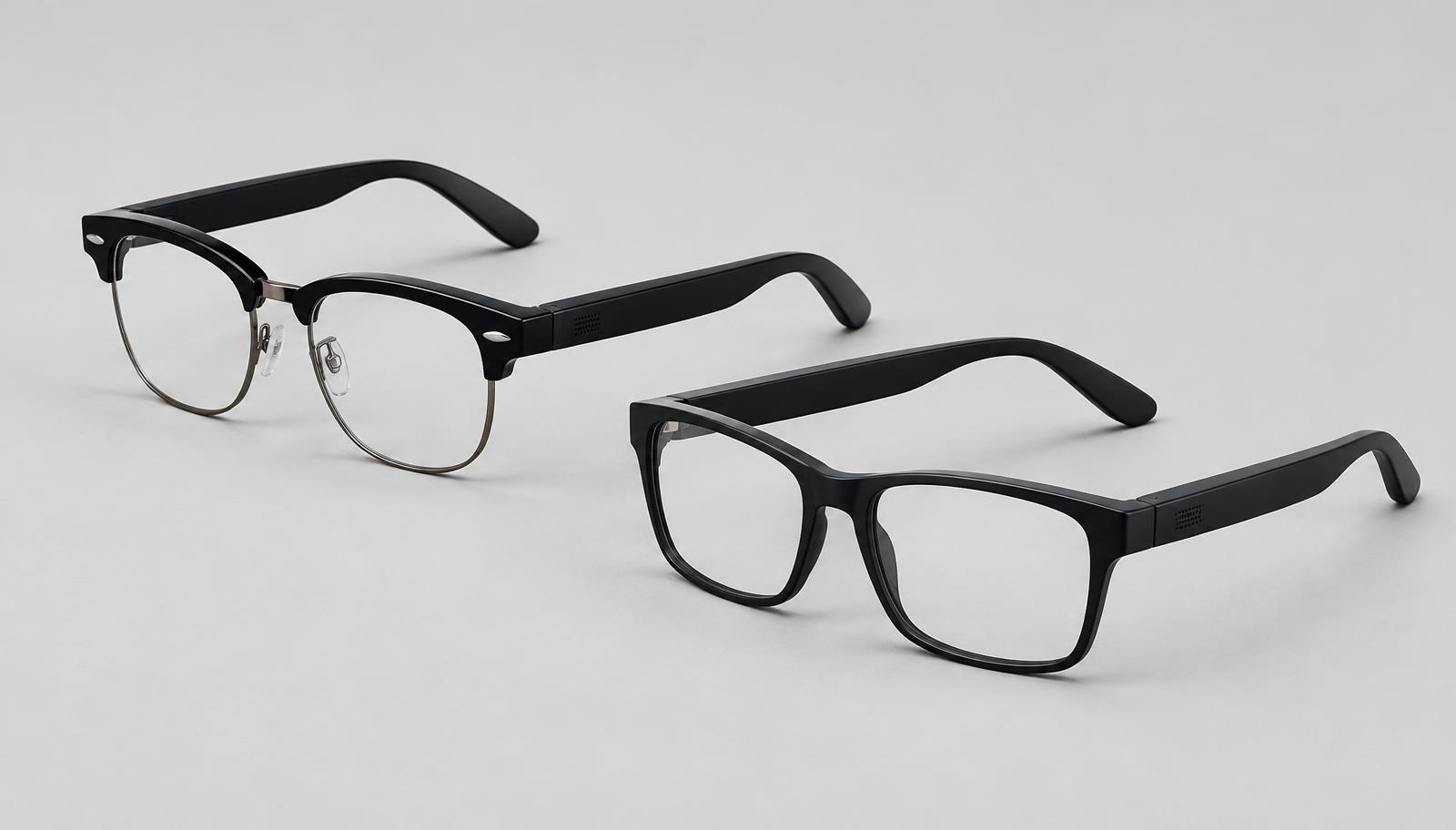
Meta is introducing a different kind of smart glasses
Ray-Ban Meta Audio begins shipping at $349: camera-free, display-free smart glasses built around open-ear audio, voice interaction and Meta's AI assistant.
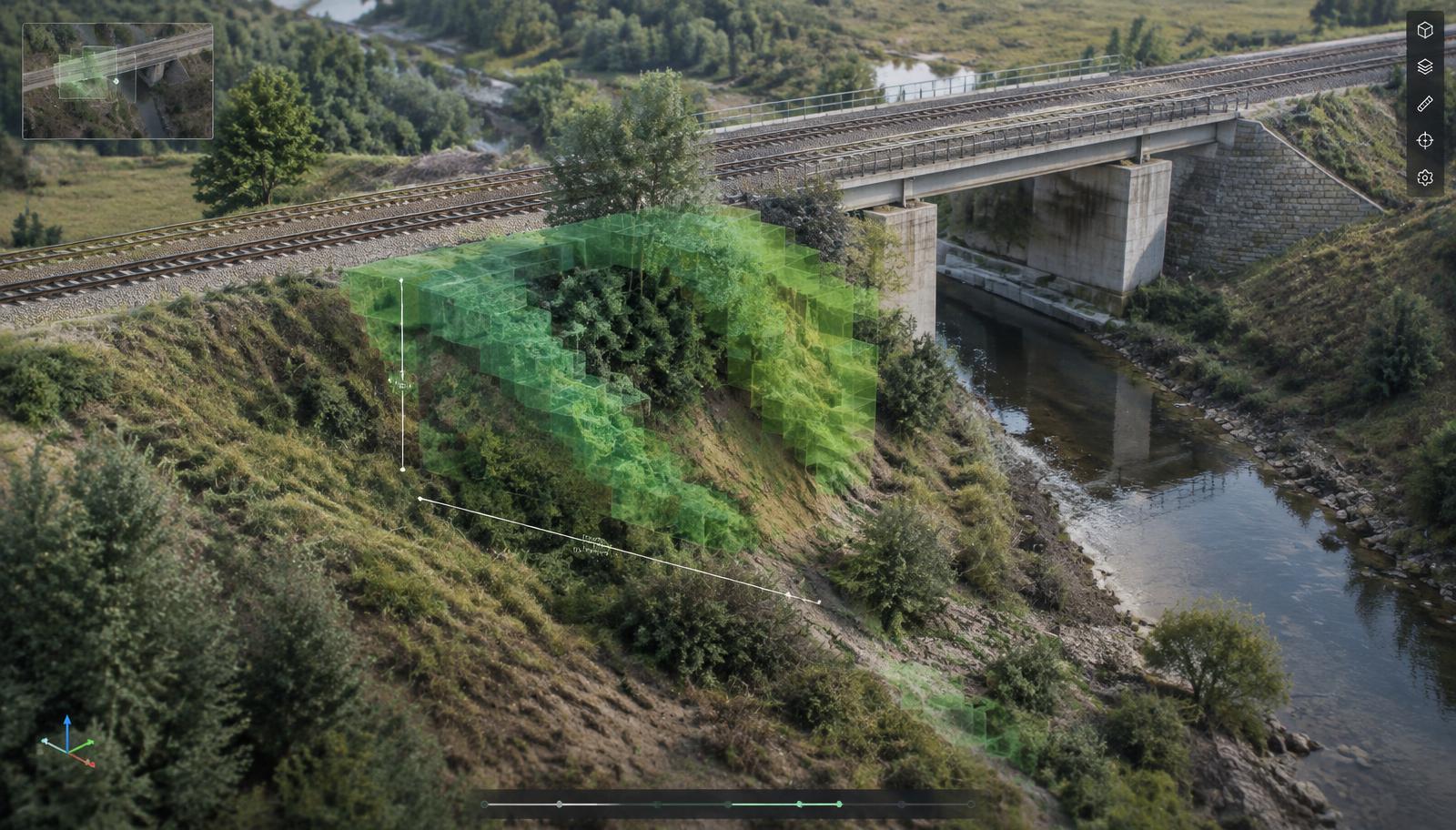
TRANCITY Nebula introduces 3D spatial change detection and new digital twin analytics tools
CalTa announces new spatial analytics capabilities for TRANCITY Nebula, including voxel-based change detection, 3D visualization, digital twins and environmental data overlays.

Google and Unity introduce Unity Spark, bringing AI-powered creation closer to interactive 3D development
Google and Unity announce Playground and Unity Spark, combining generative AI, natural language creation and Unity's real-time 3D engine to simplify interactive development.