VITURE Pro 2 debuts at $299: XR glasses cut weight and price while improving image quality
VITURE launched its Pro 2 XR Glasses at $299.99. At 63 grams, with 1080p Sony Micro-OLED panels, 120 Hz and up to 1,600 nits, the device reflects a wider XR trend: bringing spatial displays into lighter, more affordable formats.
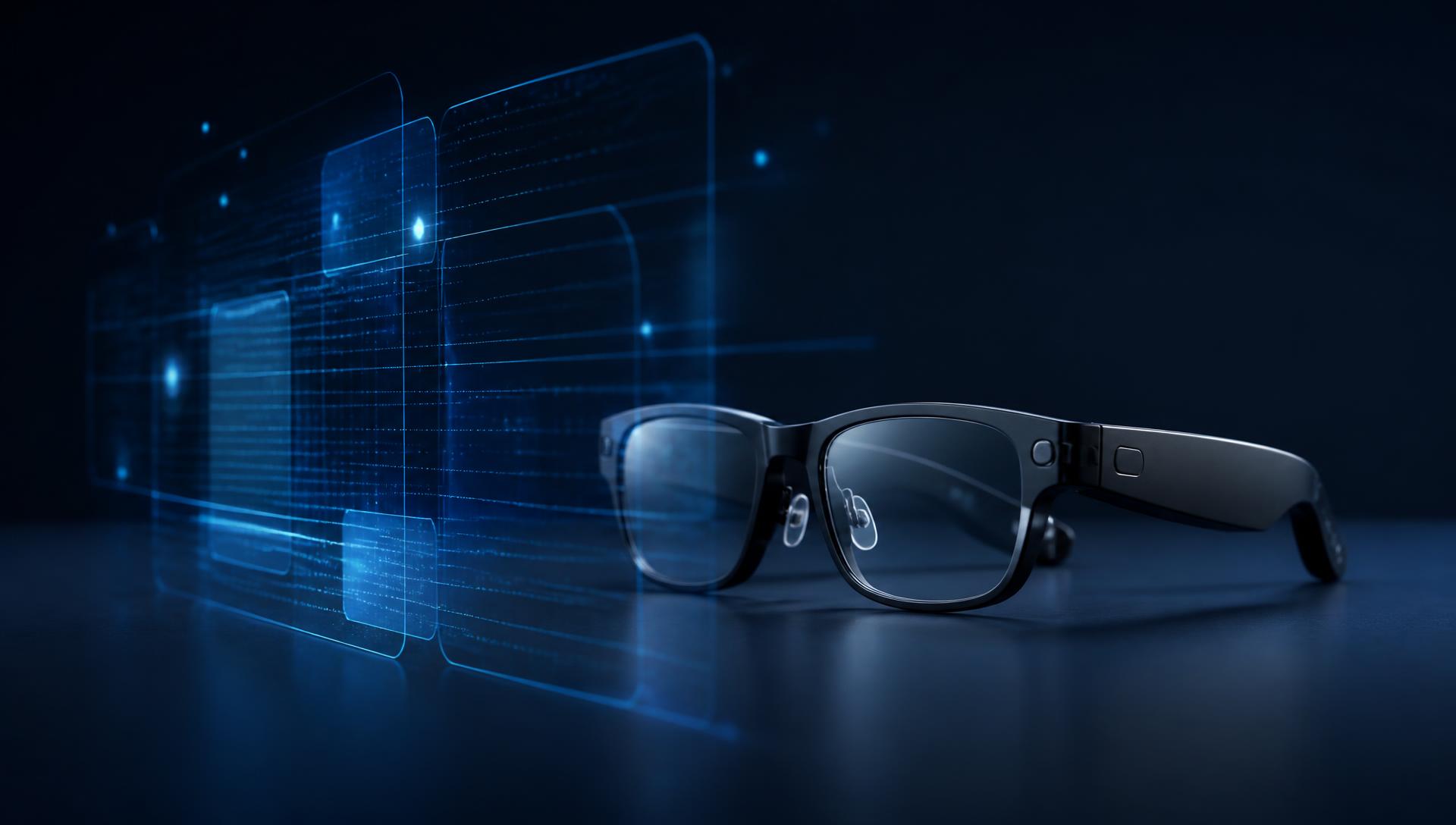
VITURE Pro 2: lighter XR under $300
The XR glasses market has a new device this week. VITURE introduced the VITURE Pro 2 on August 6, 2026, a new generation of its personal display glasses arriving at $299.99.
The step forward matters not because it introduces a new device category, but for the opposite reason: VITURE is trying to make an existing XR format more practical and more affordable.
The Pro 2 weighs 63 grams, roughly 20% less than the previous generation, and uses Sony Micro-OLED panels with 1080p resolution, refresh rates up to 120 Hz and a 50-degree field of view. The company also raised perceived brightness to 1,600 nits.
A 146-inch virtual screen
The glasses project a virtual screen equivalent to roughly 146 inches viewed at four meters.
These are not standalone AR glasses comparable to the devices Google, Snap or Meta are preparing. The Pro 2 works fundamentally as a portable XR display connected over USB-C to compatible phones, computers and gaming devices.
The distinction is important: there are no cameras, and no native advanced environment-sensing capabilities. The proposition is narrower — turning a 63-gram pair of glasses into a large-format private display.
The sharpness problem
One persistent obstacle for XR glasses built around virtual displays has been keeping text and imagery in focus across the whole visible area.
Early independent testing of the Pro 2 highlights exactly this. The Verge notes that the image stays unusually consistent in sharpness even toward the edges of the screen, placing it above some similarly priced alternatives. VITURE calls the new optical architecture UltraClarity 3.0.
It also keeps the independent diopter adjustments built into the frames, which compensate for myopia between 0 and -5.0 diopters without extra lenses in many cases.
Less weight becomes a critical spec
For years, XR progress was mostly framed around resolution, field of view, graphics capability and sensors. The 2026 market is adding another variable: how much hardware can be removed before the experience suffers.
The Pro 2 does not try to replace a full headset. Instead it drops cameras, battery and standalone processing, shifting those functions to the connected device — and the result is a considerably lighter product.
Another example of the same direction appeared this week: the URXR One, 93-gram spatial glasses that do include four cameras for 6DoF tracking, opened their Kickstarter campaign on August 4.
"These are different strategies for the same problem: shrinking the physical distance between spatial computing and ordinary eyeglasses."
From headsets to tiers of spatial computing
The XR market is starting to fragment into more clearly defined categories. At one end sit immersive headsets capable of fully mapping the environment. At the other, smart glasses centered on cameras, audio and artificial intelligence. Between them, display glasses are growing, designed mainly for entertainment, gaming and virtual workspaces.
VITURE Pro 2 clearly belongs to that last category. Price is significant too: the previous generation debuted well above $400, while the Pro 2 arrives at $299.99 despite improving brightness, field of view, ergonomics and weight.
More than a race to add capabilities, this hardware generation points to another possible direction for XR: less weight, less complexity and a lower barrier to entry.
Sources: The Verge — “Viture's cheapest AR glasses have the sharpest image clarity I've seen yet”, published August 6, 2026; Tom's Guide — VITURE Pro 2 review, published August 6, 2026.
Editorial coverage of industry news and developments across spatial computing and immersive technologies. Every story is reviewed by a second editor, and hardware claims are checked against manufacturer documentation before publication.
Related reading
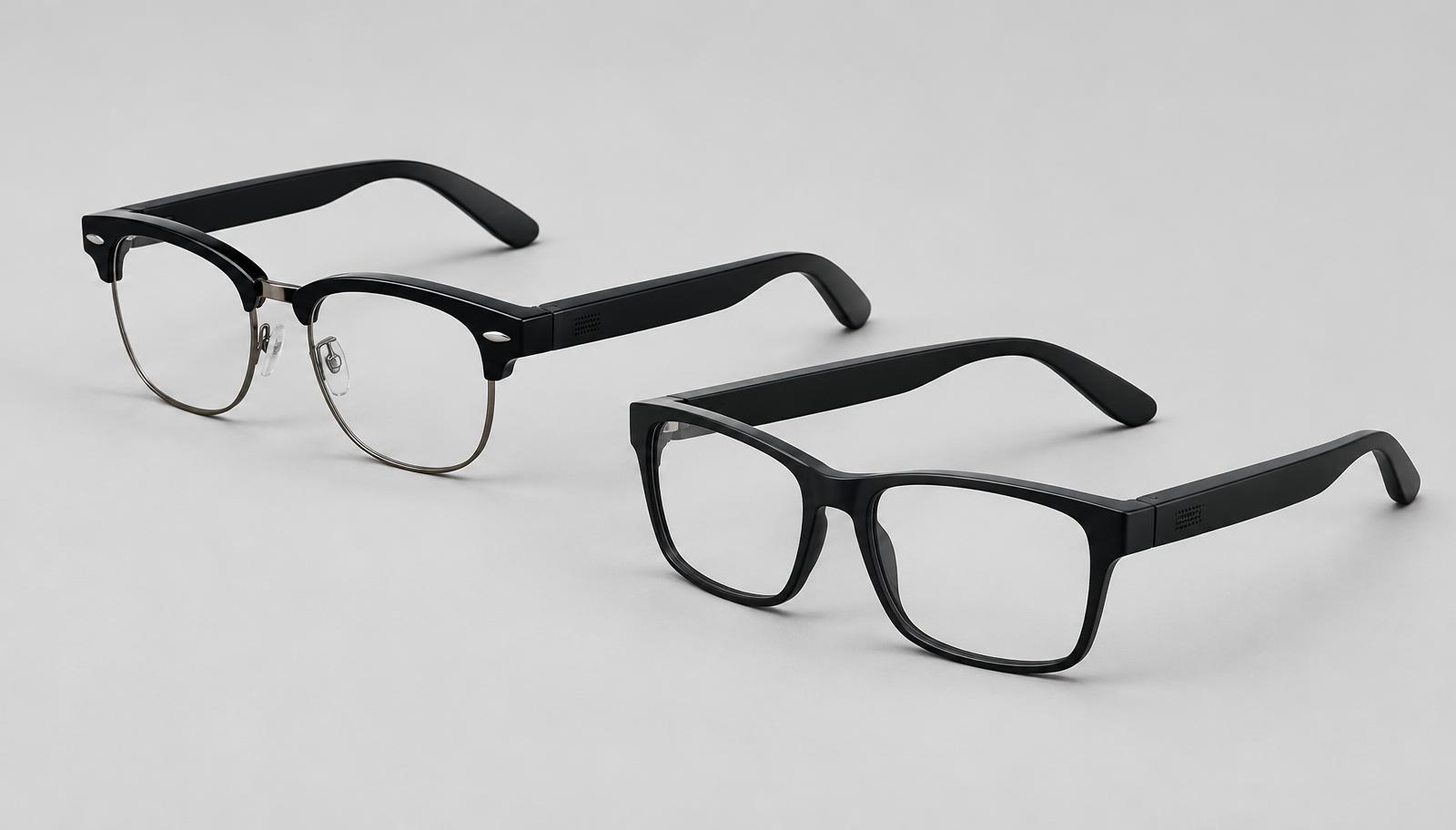
Meta is introducing a different kind of smart glasses
Ray-Ban Meta Audio begins shipping at $349: camera-free, display-free smart glasses built around open-ear audio, voice interaction and Meta's AI assistant.
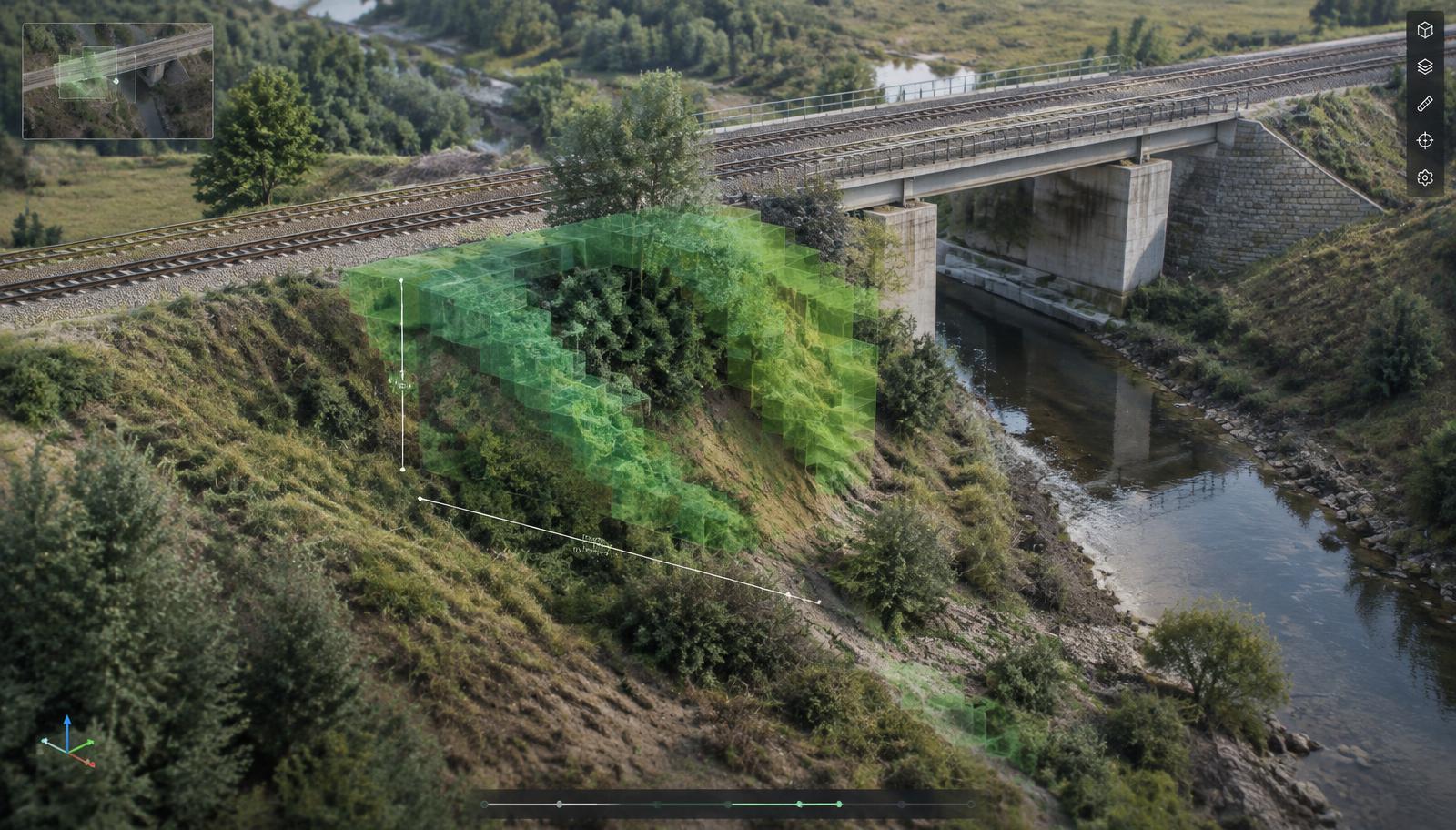
TRANCITY Nebula introduces 3D spatial change detection and new digital twin analytics tools
CalTa announces new spatial analytics capabilities for TRANCITY Nebula, including voxel-based change detection, 3D visualization, digital twins and environmental data overlays.

Google and Unity introduce Unity Spark, bringing AI-powered creation closer to interactive 3D development
Google and Unity announce Playground and Unity Spark, combining generative AI, natural language creation and Unity's real-time 3D engine to simplify interactive development.