Unity 6.6 brings hand and eye tracking workflows to the next generation of VR
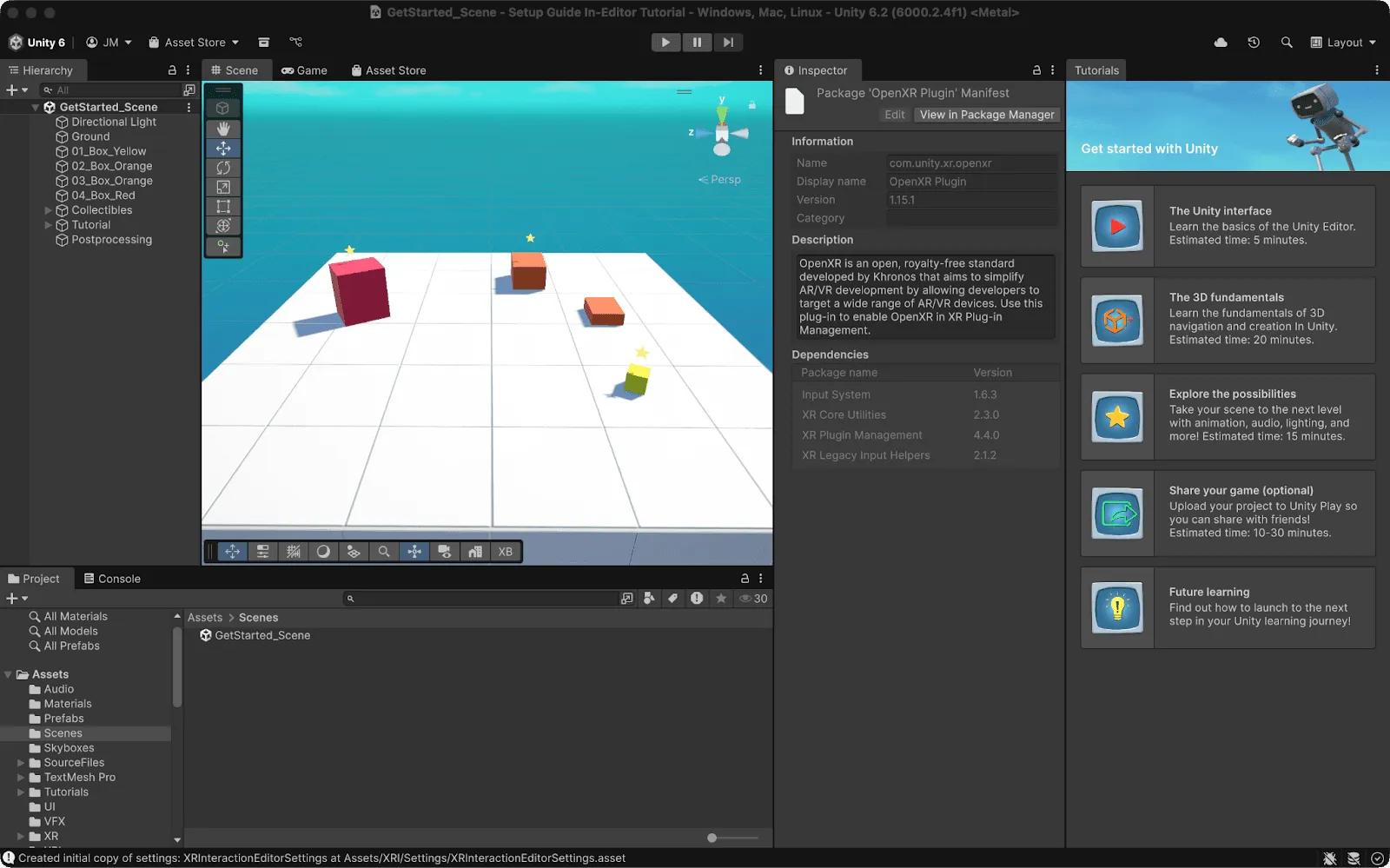
Unity has introduced day-one development support for Meta VR Glasses through Unity 6.6 and OpenXR. Beyond another device target, the update brings new workflows for hand and eye interaction, XR simulation, dynamic foveation and testing apps before the hardware is available.
Key takeaways
- Unity 6.6 offers day-one development support for Meta VR Glasses via OpenXR, months before the spring 2027 consumer launch.
- Meta VR Glasses ship without controllers: eye tracking targets, a hand pinch selects.
- Existing Quest projects can start from the Meta Quest Build Profile and keep one codebase across devices.
- Meta XR Core SDK v207 (Sept 22) adds FOV simulation, an experimental Device Readiness Check with an AI mode, and expanded Meta XR Operator tooling.
- OpenXR dynamic foveation uses gaze data to cut GPU cost on lightweight hardware.
The next generation of VR development is arriving before the hardware
New XR devices usually create a familiar problem for developers: the hardware is announced, but applications cannot be properly adapted until the device is in hand. Unity Technologies and Meta are trying to change that model.
Following Meta Connect 2026, Unity announced on September 24 immediate development support for Meta VR Glasses through Unity 6.6, even though the device will not reach consumers until spring 2027. Developers can already design, adapt and test applications using existing Unity XR tooling. The more significant change, however, is not device compatibility — it is a transition toward a different interaction model for VR.
Controllers are no longer assumed
Meta VR Glasses will ship without controllers. The default interaction system combines eye tracking for targeting with hand gestures for selection: a user looks at an interface element and pinches to activate it. That changes an assumption that has shaped VR interface design for years. Many existing experiences were built around controllers that provide:
- buttons
- triggers
- thumbsticks
- pointing rays
- haptic feedback
- persistent tracking references
Hands and eyes behave differently. Unity 6.6 therefore expands support for hand and eye interactions through the XR Interaction Toolkit and XR Hands. Supporting the next generation of hardware may involve more than changing a build target — existing interaction models may need to be reconsidered.
Existing Quest projects do not start from zero
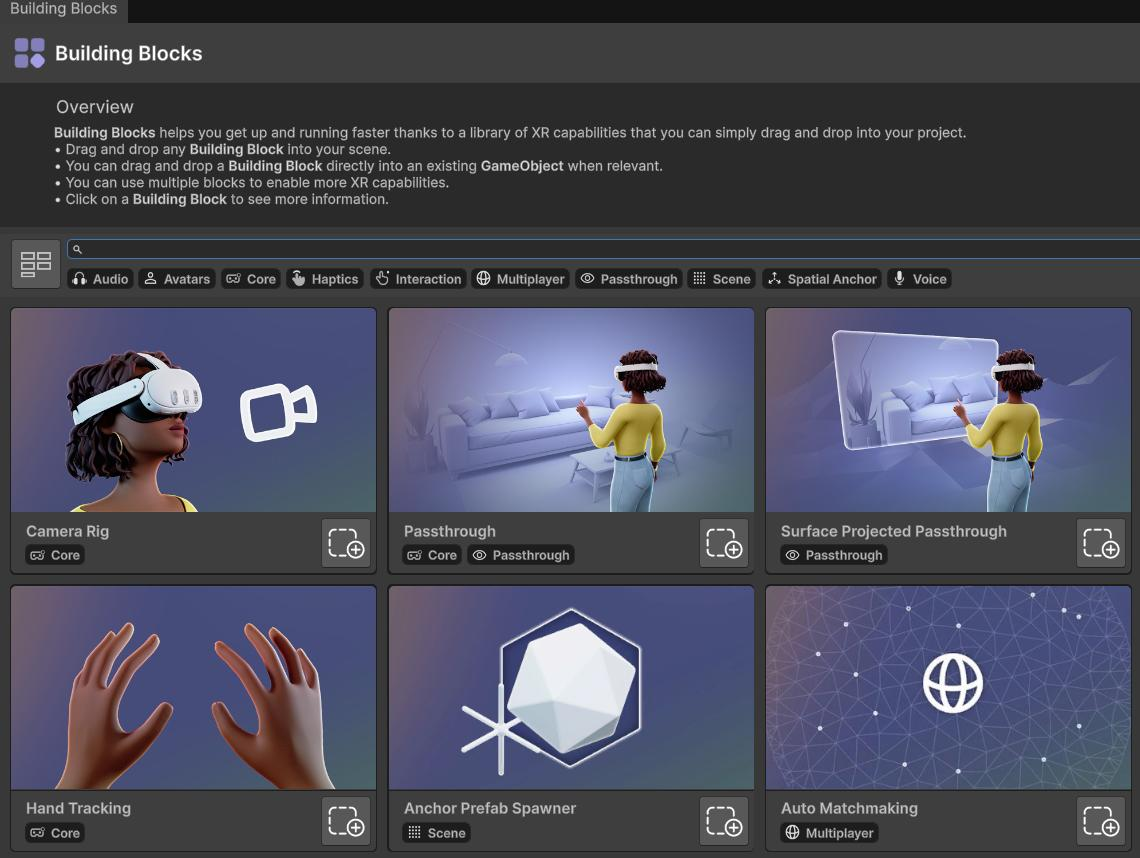
The transition is easier because Meta VR Glasses continue to use OpenXR. Unity says existing Quest projects can move forward with minimal architectural changes, using the Meta Quest Build Profile as their starting point. The recommended development stack currently includes:
- Unity 6.6 or newer
- OpenXR: Meta package 2.6.1
- AR Foundation 6.6.2 or newer
- OpenXR Plugin 1.18.0 or newer
- XR Interaction Toolkit
- XR Hands 1.9.0 or newer
The approach reflects one of OpenXR's original goals: reducing the need to rebuild applications around proprietary hardware interfaces every time a new XR device appears.
Developers can test a device they do not own
Unity's XR Interaction Simulator allows developers to test interactions without constantly wearing XR hardware. Meta has extended that idea: Meta XR Core SDK v207, released September 22, introduces field-of-view simulation specifically for Meta VR Glasses. Developers can mask an application at runtime to approximate the new device's field of view and catch layout and interaction problems early. Meta still recommends final validation on the real device.
An automated Device Readiness Check
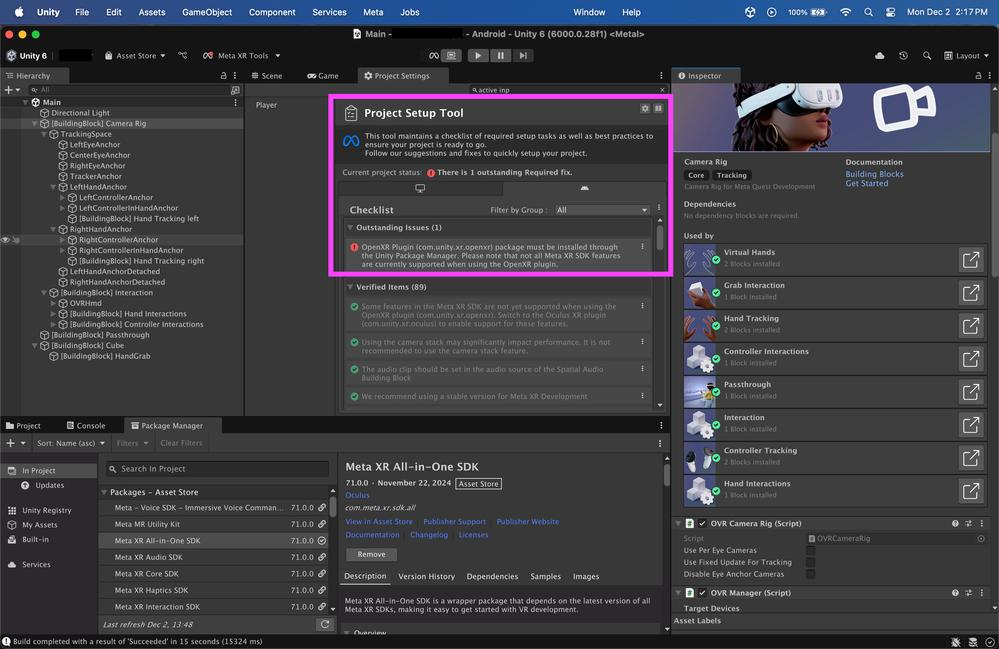
The Device Readiness Check is an experimental Unity Editor tool in Meta's new workflow. Instead of manually inspecting a project for every compatibility issue, developers can scan it and generate a prioritized readiness report. The current version focuses on controller-to-hands migration and field-of-view validation; standard configuration problems can be corrected with a single click. Meta says future versions will add checks for gaze interaction and graphics optimization.
AI is beginning to enter XR development tooling
The Device Readiness Check also includes an experimental AI mode: developers can connect an AI agent to generate recommendations and potential automated fixes based on project context. SDK v207 also expands Meta XR Operator, an experimental tool that lets AI agents interact with running XR applications. The current release covers:
- joint animations
- hand gestures
- gaze interactions
- Meta VR Glasses iteration workflows
AI development tools traditionally operate on source code. XR applications add another layer: spatial behavior. An AI system working with an immersive app may need to understand where the user is looking, how their hands interact with objects and how the environment responds in three dimensions. The toolchain is beginning to expose that information.
Eye tracking also becomes part of rendering optimization
Unity 6.6 supports OpenXR dynamic foveation, using gaze data to allocate rendering resources more efficiently: the area the user is looking at is rendered at higher fidelity while the periphery receives less. Unity says this can reduce GPU cost without a visible loss in quality — increasingly important for lightweight devices with tight power and thermal envelopes.
Testing XR is becoming more spatial
Traditional testing verifies whether a button exists or a function returns the expected result. XR adds another dimension. Developers need to understand whether:
- an object can be reached comfortably
- gaze targets are large enough
- hand gestures are recognized reliably
- interfaces remain visible within the field of view
- interactions work at different distances
- performance remains stable while the user moves
Simulation, device-readiness scanning, gaze testing and AI-assisted runtime inspection all move XR testing beyond conventional application validation.
One codebase, multiple generations of hardware
Perhaps the most important aspect of the announcement is continuity. Unity says developers can maintain one codebase across Quest and Meta VR Glasses. Studios including Supernatural, Two Point Hospital – Mixed Reality Edition, Phoenix Wright: Ace Attorney Dual Destinies VR and Story of Seasons are already developing for the device with Unity. The hardware and interaction model may change, but the development ecosystem stays connected — a signal that new spatial computing form factors need not force developers to abandon their software foundations.
Sources
- Unity — Meta VR Glasses are coming. Build with Unity from day one (Unity 6.6, OpenXR, XRI, XR Hands, simulation, Quest migration).
- Unity Technologies — Day-One Support for Meta VR Glasses (corporate announcement, September 24, 2026).
- Meta for Developers — Meta XR Core SDK v207 release notes (FOV Simulation, Device Readiness Check, AI mode, Meta XR Operator; September 22, 2026).
- Meta Horizon OS Developers — Device Readiness Check documentation.
- Meta Horizon OS Developers — Testing Meta VR Glasses apps.
Editorial coverage of industry news and developments across spatial computing and immersive technologies. Every story is reviewed by a second editor, and hardware claims are checked against manufacturer documentation before publication.
Related reading
Meta VR Glasses: Meta shrinks VR to 100 grams and changes the form factor for 2027
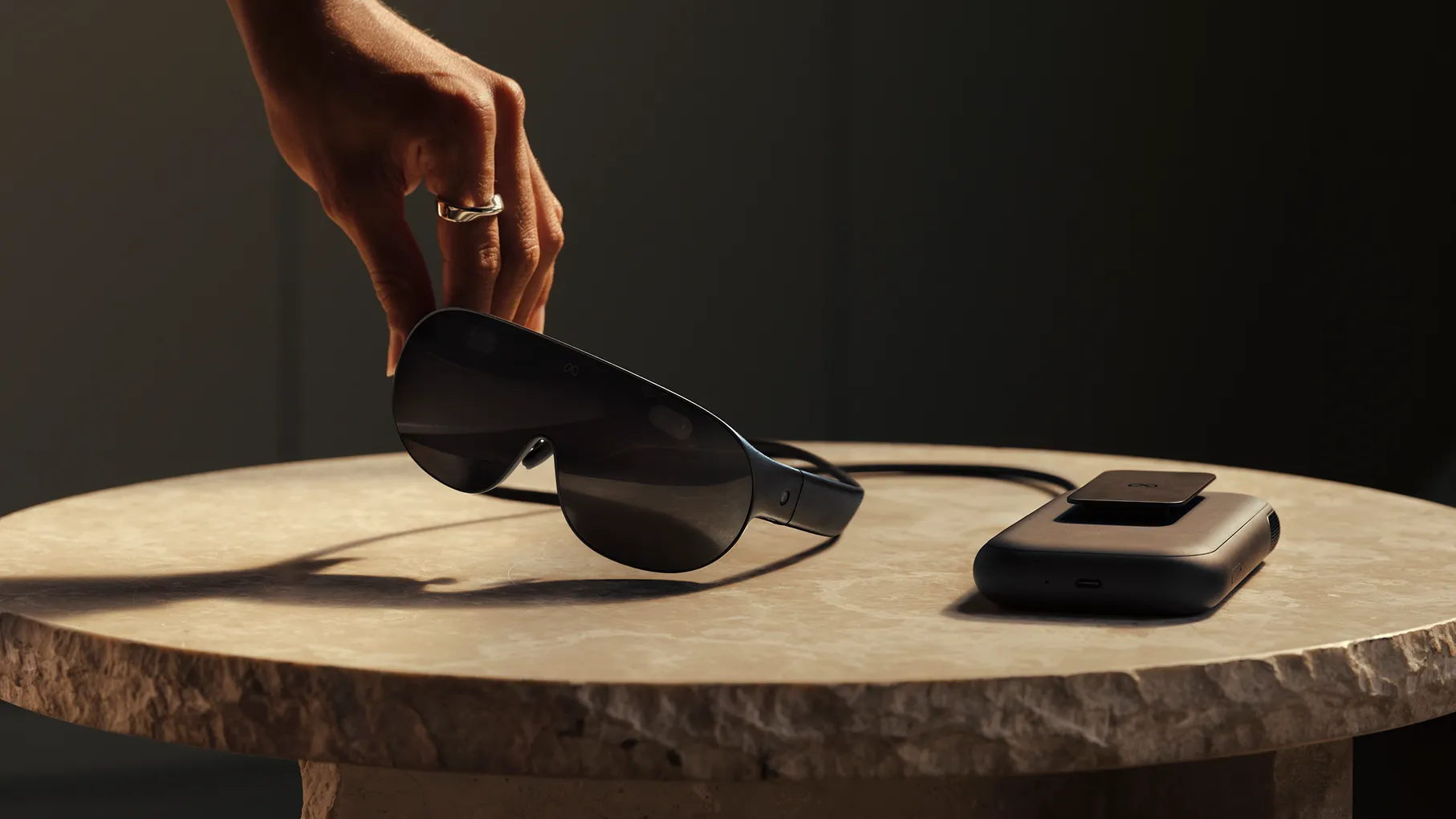
Meta has officially unveiled Meta VR Glasses, a 100-gram VR device that moves processing and battery into an external puck. Launching in spring 2027 for $1,299.99, it combines eye and hand tracking, micro-OLED displays and the Meta Quest ecosystem in a radically lighter form factor.
Meta Connect 2026 puts AI glasses, VR and the next generation of XR development in focus
Meta Connect 2026 takes place September 23–24 with AI glasses, VR, Meta Horizon and AI technologies at the center of the event. Beyond potential hardware announcements, Meta is also preparing developers for new ways to build software across wearables and immersive environments.
XR glasses gain ground as global headset shipments fall 38.7% in the first half of 2026
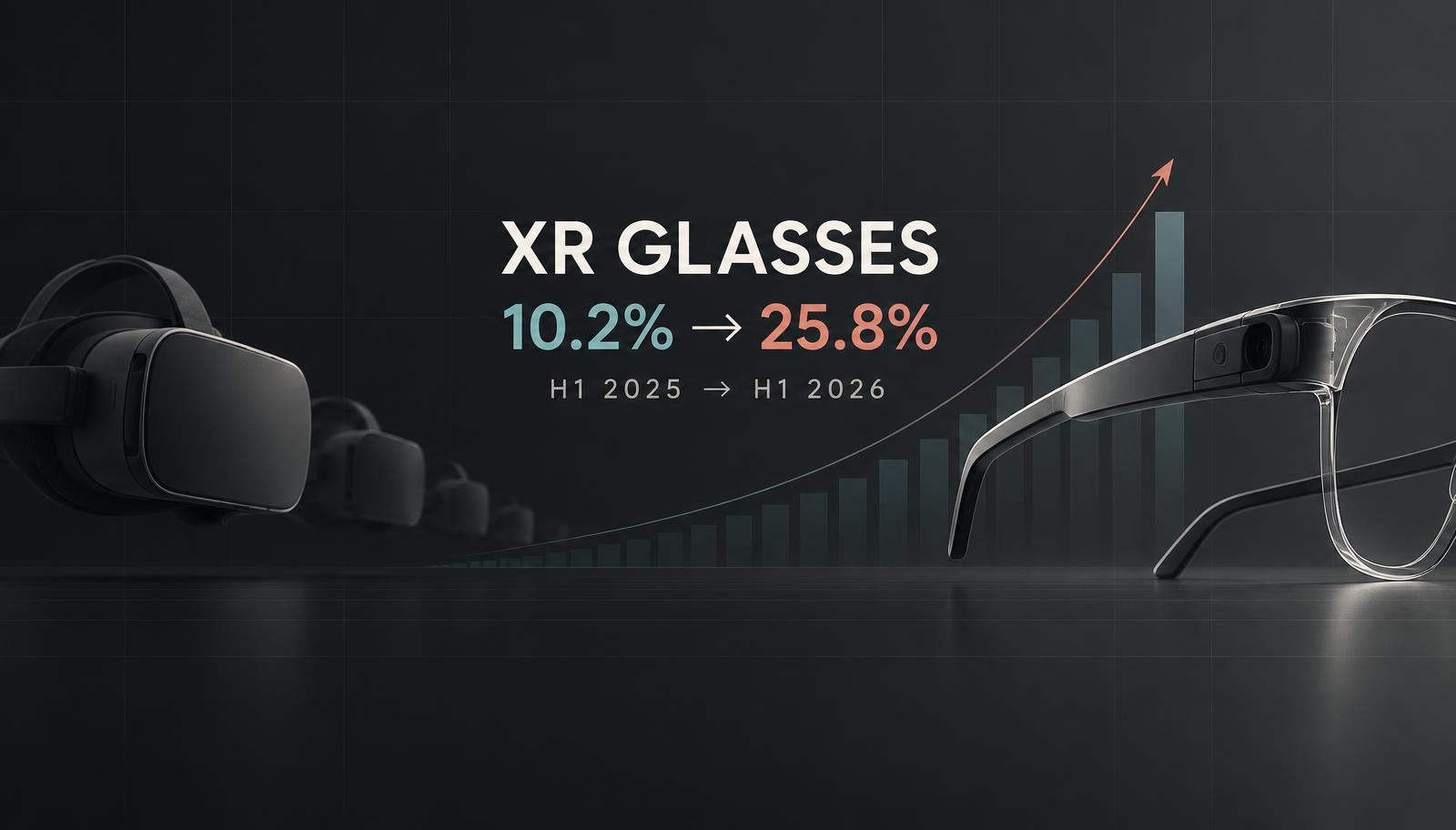
New Omdia data shows a major shift inside the XR hardware market. Global XR headwear shipments fell 38.7% year over year in the first half of 2026, but XR glasses more than doubled their share of the category as consumers increasingly favor lighter, lower-friction devices.